High Volume Water Pump for Quick and Effective Water Transfer
News Details
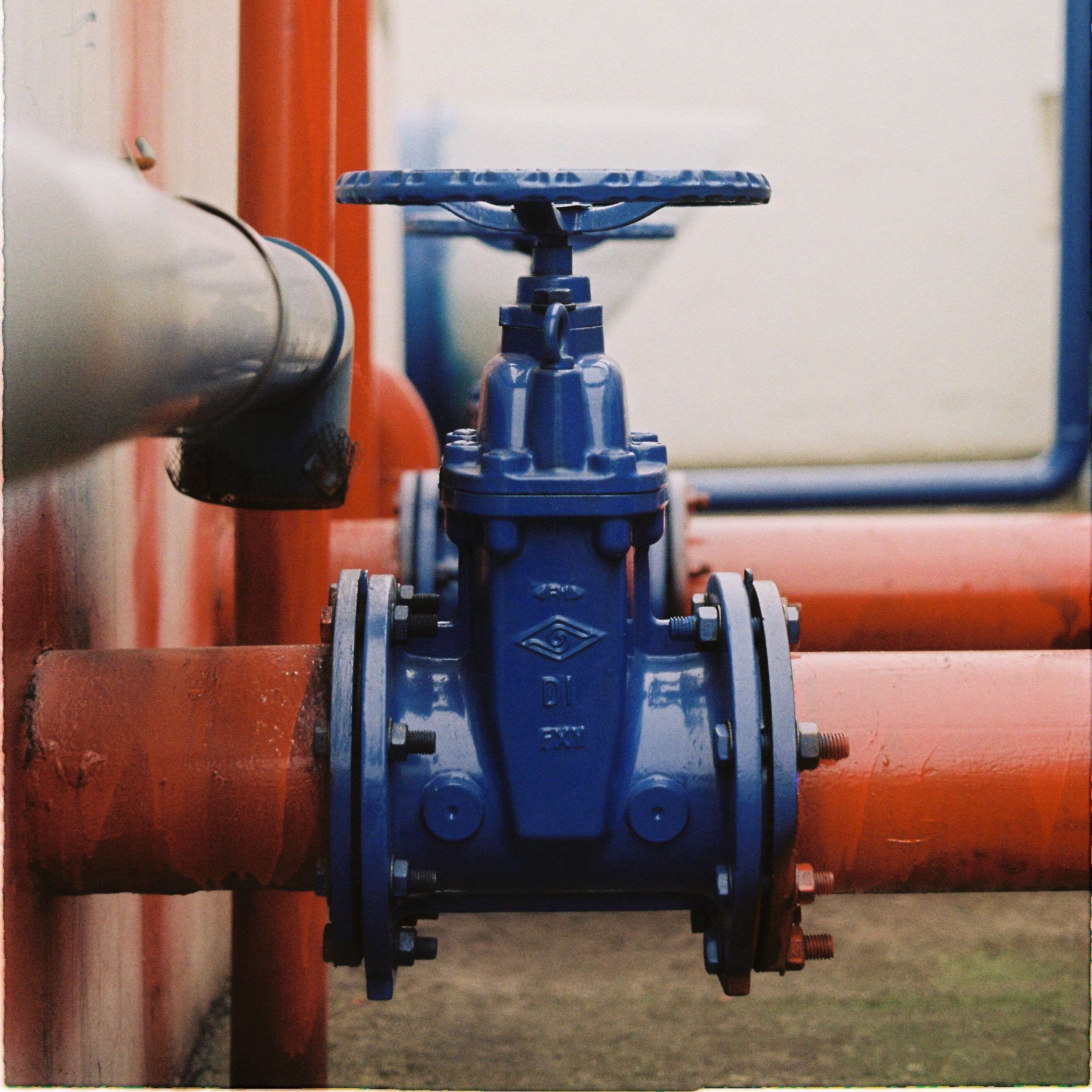
Water transfer is an important task in agriculture, construction, mining, and industrial operations. In many cases, moving water quickly and safely can help improve work efficiency and reduce downtime. Therefore, choosing the right high flow water pump is essential.
A high flow water pump is designed to move large amounts of water in a shorter time. It is useful for irrigation, drainage, water supply, and other water transfer tasks. Compared with pumps designed for low flow rates, it can handle larger water volumes and support more demanding operations.
However, flow rate is not the only factor to consider. Pump head, power, water conditions, and working environment also affect pump performance. In this article, we will explain how a high flow water pump works, where it is used, and how to choose the right model for your needs.
What Is a High Flow Water Pump?
A high flow water pump is a device designed to move a large volume of water within a given period. Its flow rate is usually measured in liters per minute (L/min), cubic meters per hour (m³/h), or gallons per minute (GPM).
These pumps are commonly used when users need to transfer water over a short or long distance. For example, farms use them for irrigation, while construction sites use them to remove standing water.
Unlike small pumps for household use, industrial and agricultural water pumps often need to work under more demanding conditions. As a result, the right pump should offer suitable flow capacity, stable operation, and reliable performance.
How Does a High Flow Water Pump Work?
A high flow water pump uses mechanical power to move water from one place to another. Depending on its design, it may use an electric motor, engine, or another power source.
Most common water transfer pumps use a centrifugal design. The working process is simple:
-
Water enters the pump: Water flows into the inlet through a connected pipe or hose.
-
The impeller starts rotating: The motor drives the impeller and creates movement inside the pump.
-
Water gains speed: The rotating impeller transfers energy to the water.
-
Water moves to the outlet: The pump directs water into the discharge pipe and sends it to the target location.
As a result, the pump can move water continuously. However, the actual flow rate depends on the pump design, motor power, pipe size, total head, and system resistance.
Key Benefits of Using a High Flow Water Pump
A high flow water pump offers several benefits for users who need fast and stable water transfer. Here are some of its main advantages.
1. Fast Water Transfer
The main benefit is its ability to move large volumes of water in less time. This is especially useful for large farms, construction sites, and industrial facilities.
For example, a high-capacity pump can help drain a flooded area or supply water to a large irrigation system more efficiently.
2. Stable and Efficient Performance
A good water pump should provide steady water output during operation. An efficient hydraulic design helps reduce unnecessary energy loss.
In addition, a suitable pump can support continuous water transfer and reduce interruptions during daily work.
3. Durable Materials for Different Environments
Water pumps may work in outdoor, industrial, or other demanding environments. Therefore, material quality is important.
Depending on the pump model and application, common materials include:
-
Stainless steel: Offers good corrosion resistance.
-
Cast iron: Provides strength for many general water transfer tasks.
-
Engineering plastics: Can reduce weight and resist certain types of corrosion.
The right material depends on water quality, temperature, and working conditions.
4. Flexible Power Options
Different projects have different power requirements. Therefore, water pumps can use several power sources, including:
-
Electric power for factories and fixed water supply systems.
-
Diesel power for outdoor work and locations without stable electricity.
-
Solar power for selected agricultural and remote applications.
As a result, users can select a suitable power option based on the available energy supply and operating costs.
5. Easy Installation and Maintenance
Simple pump structures make installation and regular maintenance easier. Moreover, convenient access to key parts can help reduce repair time.
Regular inspection of the inlet, outlet, impeller, seals, and motor can also help maintain stable performance.
Common Applications of High Flow Water Pumps
High flow water pumps are used in many industries. Their main purpose is to move water quickly and support daily operations.
1. Agricultural Irrigation
Agriculture often requires a large and steady water supply. A high flow water pump can move water from rivers, ponds, wells, or storage tanks to farmland.
It can support:
-
Sprinkler irrigation systems.
-
Farm water supply.
-
Crop irrigation.
-
Water transfer between storage areas.
Furthermore, the right pump can help farmers manage irrigation time and water distribution more effectively.
2. Construction Site Drainage
Water accumulation can affect construction work, especially after heavy rain or during excavation.
A suitable water pump helps remove unwanted water from construction areas, foundation pits, and temporary drainage systems.
For excavator drainage and similar tasks, a self-priming water pump may also be a useful option, depending on the installation and suction conditions.
3. Industrial Water Transfer
Factories often need water for cooling, cleaning, production, and general water supply.
A high flow water pump can support water circulation and transfer between tanks, pipelines, and industrial equipment.
However, users should check the water temperature, liquid properties, and pump material before selecting a model.
4. Mining and Quarry Drainage
Mining sites may face water accumulation caused by rain, groundwater, and other site conditions.
A suitable drainage pump can help move accumulated water away from working areas. As a result, it supports site management and helps reduce water-related work delays.
For mining applications, users should pay attention to pump durability, flow capacity, and resistance to the actual water conditions.
5. Residential and Commercial Water Supply
High flow water pumps can also support larger residential and commercial water systems.
Typical applications include:
-
Swimming pool circulation.
-
Garden irrigation.
-
Water pressure boosting.
-
Commercial building water supply.
The required flow rate and pressure will depend on the size of the system and the number of water outlets.
How to Choose the Right High Flow Water Pump
Choosing a water pump requires more than checking its advertised flow rate. In fact, several technical factors affect its actual performance.
1. Check the Required Flow Rate
Flow rate is one of the most important factors.
Before buying a pump, estimate how much water you need to move within a specific period.
For example, a small irrigation system may need a lower flow rate than a large drainage project. Therefore, choose a pump that matches your actual water demand.
2. Consider the Total Pump Head
Pump head refers to the height or pressure that a pump needs to overcome when moving water.
It includes:
-
Vertical distance between the water source and outlet.
-
Friction loss inside pipes.
-
Pressure requirements at the discharge point.
-
Other resistance within the pipeline system.
A pump with a high flow rate at low head may not deliver the same flow at a higher head. Therefore, always check the pump performance curve before making a decision.
3. Select the Right Pump Type
Different pump designs serve different purposes.
|
Pump type |
Common applications |
|---|---|
|
Self-priming water pump |
Water transfer, irrigation, drainage |
|
Centrifugal water pump |
General water supply and circulation |
|
Submersible water pump |
Drainage and underwater pumping |
|
Diesel water pump |
Outdoor and remote water transfer |
For example, a self-priming water pump can be useful when the pump is installed above the water source and needs to draw water through a suction pipe. However, the required priming conditions and suction lift must match the product specifications.
4. Check Power and Energy Use
Motor power affects the pump's ability to deliver the required flow and head.
However, a larger motor does not always mean better performance. An oversized pump may waste energy, while an undersized pump may fail to meet water demand.
Therefore, compare motor power, rated flow, total head, and operating efficiency together.
5. Consider Water Quality and Pump Materials
Not all pumps are suitable for every type of water.
Clean water, muddy water, wastewater, and water containing solid particles have different requirements.
Before choosing a pump, check:
-
Water temperature.
-
Solid particle size.
-
Corrosion risk.
-
Required wear resistance.
-
Seal and impeller materials.
This step can help prevent early wear and unnecessary maintenance costs.
Eastrise Water Pump for Efficient Water Transfer
For buyers looking for a practical water transfer solution, Eastrise offers a self-priming water pump designed for agricultural, industrial, and general water transfer applications.
As a Shanghai-based, factory-integrated supplier, Eastrise focuses on product development, manufacturing, quality control, and global export. Its product range also includes conveyor belts, conveyor rollers, drums, and high-pressure rubber hoses.
The Eastrise water pump features several design considerations for different working environments.
High-Efficiency Hydraulic Design
The pump uses a hydraulic design intended to provide strong water flow while reducing energy consumption.
This makes it a potential choice for users who need regular water transfer in agricultural and industrial applications.
Stable Operation
Stable operation is important for water transfer tasks. Eastrise's product information highlights smooth running, low vibration, and low noise.
These features help support consistent water output under suitable working conditions.
Durable Pump Construction
Depending on the model, key pump parts can use stainless steel, cast iron, or high-strength engineering plastics.
These material options help buyers select a suitable construction based on water conditions and the working environment.
Multiple Power Options
Eastrise offers different power options, including electric, diesel, and solar-powered versions.
This gives users more flexibility when selecting a pump for fixed installations, outdoor projects, or remote locations.
Convenient Maintenance
The pump features a simple and modular structure. This helps make installation, disassembly, and routine maintenance more convenient.
For businesses that depend on regular water supply, easier maintenance can help reduce service time and operating costs.
You can learn more about the product here:
Eastrise Self-Priming Water Pump.
Note: Actual flow rate, total head, motor power, and other technical specifications should be confirmed with Eastrise according to the required pump model and working conditions.
Tips for Maintaining a High Flow Water Pump
Regular maintenance helps keep a water pump in good working condition. It can also reduce the risk of unexpected breakdowns.
Here are some simple maintenance tips:
-
Check the inlet regularly: Remove dirt and debris that may block water flow.
-
Inspect the pipes: Check for leaks, loose connections, and damaged hoses.
-
Monitor unusual noise: Strange sounds or strong vibration may indicate a mechanical problem.
-
Check seals and connections: Replace worn parts when needed to prevent water leakage.
-
Follow the maintenance schedule: Clean and inspect the pump according to the manufacturer's instructions.
-
Avoid dry running: Make sure the pump has the required water supply before starting it.
In addition, always follow the product manual and safety instructions during inspection and maintenance.
Conclusion: Choose the Right High Flow Water Pump for Your Project
A high flow water pump is a useful solution for fast and efficient water transfer. It supports agricultural irrigation, industrial water supply, construction drainage, and many other applications.
However, the best pump is not always the one with the highest flow rate. Instead, you should consider flow capacity, total head, power source, pump materials, and water conditions together.
Eastrise provides self-priming water pump solutions for agricultural, industrial, and general water transfer needs. With different material and power options, buyers can discuss suitable configurations based on their projects.
If you are looking for a reliable water pump supplier, contact Eastrise to discuss your water transfer requirements.


