Industrial Corrosion Resistant Water Pump
News Details
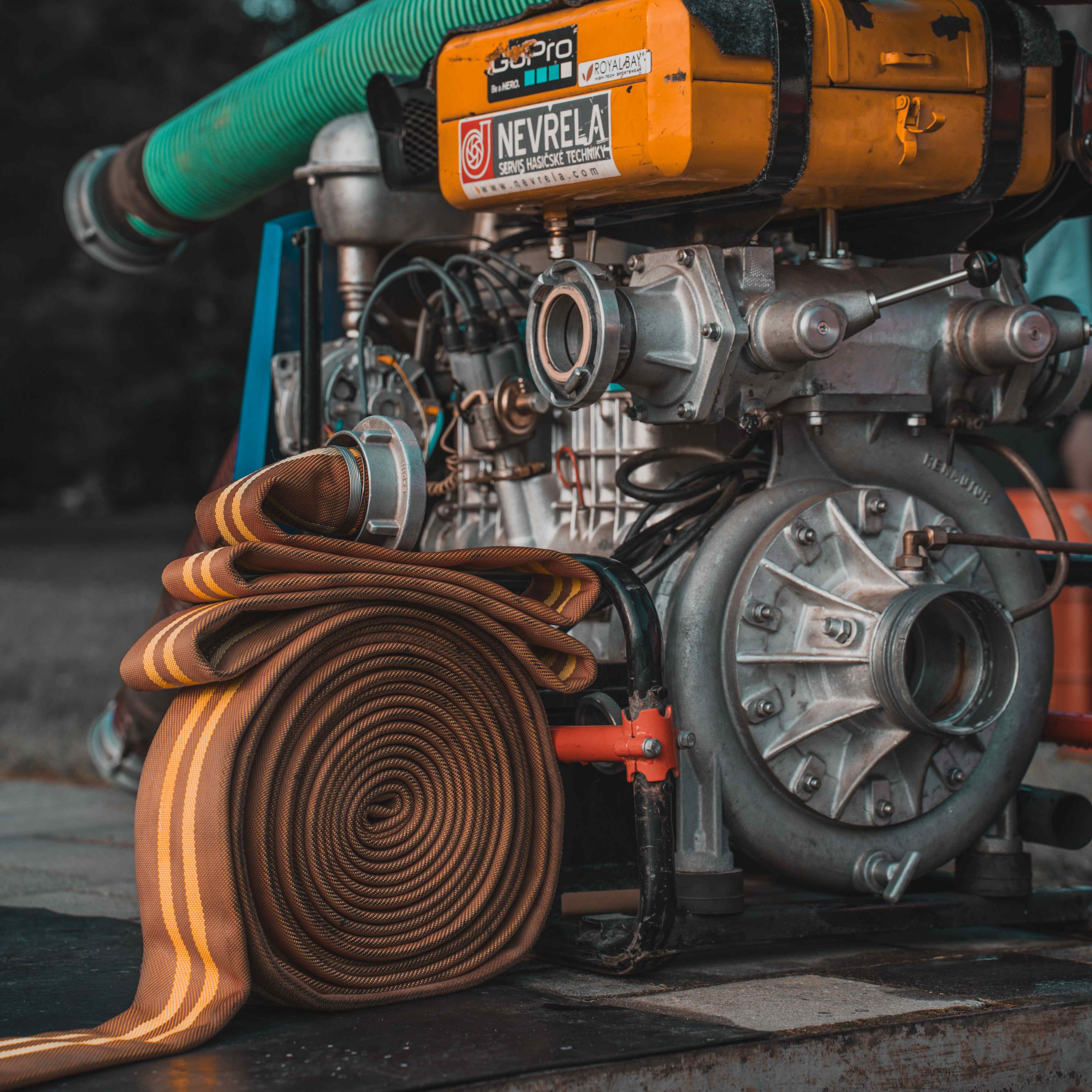
Industrial water pumps often operate in demanding environments. They may handle water containing minerals, chemicals, dirt, or other impurities. Under these conditions, corrosion can damage pump components, reduce performance, and increase maintenance costs. Therefore, choosing a corrosion-resistant water pump is crucial for many industrial applications.
A suitable pump should provide reliable water transfer, stable performance, and materials compatible with the liquid being handled. In addition, buyers should consider flow rate, pump head, operating pressure, and maintenance requirements before making a decision.
For mining, construction, agriculture, and other industrial projects, the right water pump can improve daily operations and reduce unexpected downtime. This article explains how corrosion-resistant water pumps work, their common applications, and key factors buyers should consider when selecting one.
What Is a Corrosion Resistant Water Pump for Industrial Use?
A corrosion-resistant water pump is designed or selected to handle liquids that may cause rust, chemical damage, or material wear. Unlike standard pumps, it uses suitable materials and protective designs to reduce the effects of corrosion.
For example, industrial water may contain salt, minerals, cleaning agents, or mild chemicals. Over time, these substances can damage pump casings, impellers, shafts, and seals if the materials are not suitable.
Therefore, material selection is one of the most important aspects of pump design.
Common materials used in corrosion-resistant water pumps include:
- Stainless steel: Offers good corrosion resistance for many water transfer applications.
- Cast iron with protective coating: Provides a cost-effective option for suitable water conditions.
- Plastic materials: Certain engineering plastics work well with specific chemicals and corrosive liquids.
- Special alloys: Some industrial applications require special metals to handle stronger chemicals or more demanding conditions.
However, no single material is suitable for all liquids. Buyers should check the chemical composition, temperature, and concentration of the liquid before selecting a pump.
Key Features of a Corrosion Resistant Industrial Water Pump
When choosing an industrial water pump, buyers should look beyond basic pumping capacity. Material quality, operational stability, and maintenance also affect long-term performance.
1. Corrosion Resistant Pump Materials
First, the pump materials must be compatible with the liquid being transferred. This is especially important in chemical processing, wastewater treatment, and industrial cleaning.
For example, stainless steel may be suitable for some water systems, while certain chemical liquids may require plastic or special alloy components.
In addition, buyers should check all parts that come into contact with the liquid, including the pump body, impeller, shaft, seals, and internal connections.
2. Stable Water Flow and Pump Performance
A good industrial water pump should deliver the flow rate and pressure required for the task.
A pump with insufficient capacity may slow down production or drainage operations. Conversely, an oversized pump may consume more energy than necessary.
Therefore, buyers should compare the rated flow rate, pump head, motor power, and working pressure before selecting a model.
3. Durable Construction for Industrial Environments
Industrial pumps may run for long hours in factories, mines, construction sites, and outdoor locations.
As a result, the pump should have a robust structure and reliable components. It should also adapt to the site's working conditions, including dust, humidity, temperature, and installation space.
In addition, regular inspections can help detect leaks, unusual vibrations, and early signs of damage.
4. Easy Maintenance and Spare Parts Replacement
Maintenance is another key factor. A pump that is easy to inspect and repair can help reduce downtime.
Before purchasing, buyers should inquire about replacement seals, bearings, impellers, and other common spare parts. They should also check the recommended maintenance schedule.
This allows businesses to plan maintenance and control long-term operating costs.
Common Industrial Applications of Corrosion Resistant Water Pumps
Corrosion-resistant water pumps can support various industries. However, the most suitable pump type depends on the liquid, operating environment, and required pumping capacity.
1. Mining and Mineral Processing
Mining sites often need pumps for water transfer, site drainage, and other water management tasks. Some locations also handle water containing minerals, mud, or solid particles.
In these cases, buyers should consider both corrosion and abrasion resistance. A pump designed for clean water may not be suitable for abrasive slurry.
In addition, mining projects often require other equipment, such as conveyor belts, rollers, drums, and industrial hoses. These products help support material transport and fluid transfer across the site.
2. Chemical and Industrial Processing
Chemical plants may handle liquids that can damage ordinary metal components. Therefore, they need pumps made from materials compatible with specific chemicals.
For these applications, buyers should check the chemical concentration, liquid temperature, and operating pressure. They should also confirm that seals and other internal parts can withstand the liquid.
Choosing the wrong material may lead to leaks, equipment damage, and higher repair costs.
3. Wastewater Treatment
Wastewater systems often contain dirt, minerals, organic matter, and other substances. Some wastewater may also have corrosive properties.
A suitable pump can help move wastewater between treatment stages, storage tanks, and drainage systems.
However, buyers should check whether the pump can handle suspended solids and whether its materials are compatible with the wastewater composition.
4. Construction Site Drainage
Construction projects often require reliable pumps to remove water from foundations, pits, and temporary work areas.
Water conditions can change during construction. For example, rainwater may mix with soil, sand, or other materials.
Therefore, buyers should consider pump capacity, suction performance, and wear resistance. A self-priming water pump may also be useful when installation conditions require easy water intake.
5. Agriculture and General Water Transfer
Agricultural projects need pumps for irrigation, water supply, and drainage. In some areas, water may contain minerals or other substances that affect pump materials.
A suitable water pump can support regular water transfer and help maintain stable irrigation operations.
For these applications, buyers should consider the water source, required flow rate, lifting height, and daily operating time.
How to Choose the Right Corrosion Resistant Water Pump
Choosing the right pump begins with understanding the actual working conditions. The following factors can help industrial buyers make a better decision.
1. Identify the Liquid Type
First, determine what liquid the pump needs to handle.
Is it clean water, wastewater, mineral-rich water, or a chemical solution? Each liquid has different effects on pump materials.
For example, water containing salt may increase the risk of corrosion in some metals. Meanwhile, acidic or alkaline liquids may require special materials.
Therefore, provide the supplier with clear information about the liquid before selecting a pump.
2. Check the Pump Material
Next, review the materials used in the pump body and internal parts.
Do not assume that a stainless steel pump can handle all corrosive liquids. Different grades of stainless steel have varying levels of corrosion resistance.
Also, check the materials of seals, impellers, shafts, and connections. These components must work together to ensure reliable performance.
3. Confirm Flow Rate and Pump Head
Flow rate and pump head are two basic parameters for pump selection.
- Flow rate: The amount of liquid a pump can move within a certain period.
- Pump head: The height or energy level the pump can provide to move liquid through a system.
Both values affect actual pumping performance.
For this reason, buyers should calculate the required flow rate and total system head before selecting a model. They should also consider pipe length, pipe size, bends, and other system resistance factors.
4. Consider Working Temperature and Pressure
Temperature and pressure can affect pump materials and service life.
For example, higher temperatures may reduce the chemical resistance of some plastics and seals. Similarly, high pressure places greater demands on the pump body and connections.
Therefore, always check the rated operating range and ensure it matches the actual application.
5. Compare Energy Consumption and Maintenance Costs
The purchase price is only one part of the total cost.
A pump that is not compatible with the system may consume excessive power or require frequent repairs. In contrast, a properly selected model can support more efficient operation.
Moreover, buyers should consider spare parts availability, service access, and maintenance intervals.
Eastrise Water Pump and Industrial Product Solutions
Shanghai Eastrise Trading Co., Ltd. is a Shanghai-based supplier of industrial and mining accessories. The company integrates product sourcing, manufacturing cooperation, and international export services.
According to its official website, Eastrise supplies products for mining, construction, and other industrial applications. Its product range includes water pumps, rubber conveyor belts, conveyor rollers, drums, high-pressure rubber hoses, and connectors.
Self-Priming Water Pump for Water Transfer
One of Eastrise's featured products is a self-priming water pump designed for applications such as agriculture, industrial water transfer, household use, and excavator drainage.
This type of pump can be considered for projects where convenient water intake and reliable water transfer are important.
Before purchasing, buyers should confirm the pump's:
- Flow rate and maximum head
- Pump body and impeller materials
- Motor power and voltage
- Suction and discharge sizes
- Suitable water conditions
- Continuous operating limits
For projects involving corrosive water, it is especially important to confirm the wetted-part materials with the supplier. The published product information does not specify a particular corrosion resistance grade, so buyers should request material details before using the pump with corrosive liquids.
High-Pressure Rubber Hoses and Connectors
In addition to water pumps, Eastrise also supplies high-pressure rubber hoses and connectors.
These products can support suitable industrial fluid transfer systems. They can be used with pumping equipment when the hose pressure rating, fluid compatibility, temperature range, and connection type match the system requirements.
For mining and construction projects, choosing compatible hoses and connectors is essential for safe and stable fluid transfer.
Conveyor Belts, Rollers, and Drums for Mining Operations
Eastrise also provides a range of conveyor components, including:
- Rubber conveyor belts: Used to transport bulk materials in mines, ports, power plants, and other industrial sites.
- Conveyor rollers and idlers: Support conveyor belts and help maintain smooth material movement.
- Conveyor drums: Assist in driving or guiding conveyor belt systems.
These products serve a different purpose from water pumps. However, they can support the broader equipment needs of mining and industrial projects.
For buyers who require both water transfer equipment and mining accessories, Eastrise offers a range of related industrial products through its export supply business.
Visit the Eastrise official website to learn more about its product range and contact the company for current specifications and availability.
Why Choose a Reliable Industrial Water Pump Supplier?
Finding a suitable supplier is as important as selecting the right pump. A reliable supplier should understand industrial applications and provide clear product information.
When comparing suppliers, consider the following points:
- Product range: Check whether the supplier offers different pump types and related industrial equipment.
- Material information: Request details about pump body materials, impellers, and seals.
- Quality control: Review product inspection procedures and available test reports.
- Technical support: Ensure the supplier can help you understand product specifications and application requirements.
- Export experience: For international buyers, check packaging, shipping arrangements, and export services.
- After-sales support: Confirm warranty terms, spare parts availability, and maintenance guidance.
For industrial buyers, clear communication can help avoid product selection errors. Therefore, provide your application details and technical requirements before requesting a quote.
Maintenance Tips for Corrosion Resistant Water Pumps
Even a corrosion-resistant water pump requires regular maintenance. Proper care can help extend its service life and reduce unexpected problems.
Here are some practical maintenance tips:
- Inspect pump surfaces regularly. Look for rust, cracks, leaks, and other signs of damage.
- Check seals and connections. Damaged seals may cause liquid leaks and affect pump performance.
- Clean the pump when necessary. Remove dirt and deposits that may affect normal operation.
- Monitor noise and vibration. Unusual changes may indicate worn parts or installation issues.
- Check operating pressure and flow. Keep the pump within its rated working range.
- Replace damaged parts promptly. Follow the manufacturer's maintenance instructions and use compatible spare parts.
In addition, ensure the pump is suitable for the liquid being transferred. Regular maintenance cannot fully prevent corrosion if the pump materials are incompatible with the liquid.
Conclusion: Choose the Right Corrosion Resistant Water Pump for Industrial Use
A corrosion-resistant water pump plays an important role in industrial water transfer, mining, wastewater treatment, construction, and chemical processing. The right pump can help reduce material damage, improve operational stability, and control maintenance costs.
However, buyers should not focus solely on corrosion resistance. Flow rate, pump head, motor power, liquid type, operating temperature, and material compatibility are also important.
Eastrise offers self-priming water pumps for applications such as agriculture, industrial use, and excavator drainage, along with high-pressure rubber hoses, conveyor belts, rollers, and drums for mining and industrial projects.
Before placing an order, buyers should confirm the pump's technical specifications and corrosion resistance based on actual working conditions. This ensures the selected equipment meets project requirements and supports long-term operation.
Frequently Asked Questions
1. What materials are best for a corrosion-resistant water pump?
Stainless steel, engineering plastics, protective-coated cast iron, and special alloys are common options. The best material depends on the liquid type, chemical concentration, temperature, and operating conditions.
2. Can a standard water pump handle corrosive liquids?
Not always. Standard pumps may use materials that react with certain chemicals or salt-containing water. Using an unsuitable pump can lead to corrosion, leaks, and equipment failure.
3. Are corrosion-resistant water pumps suitable for mining?
Yes. They can be used for water transfer and drainage in mining operations. However, applications involving mud, sand, or mineral particles may also require strong abrasion resistance.
4. How do I choose the right industrial water pump?
Start by identifying the liquid type and required flow rate. Then check pump head, material compatibility, motor power, operating temperature, and maintenance needs.
5. Does Eastrise supply industrial water pumps?
Eastrise offers self-priming water pumps for agriculture, industrial water transfer, household use, and excavator drainage. Buyers should contact the company to confirm available models, materials, and technical specifications for specific projects.


