Heavy-Duty Water Pump for Harsh Working Conditions
News Details
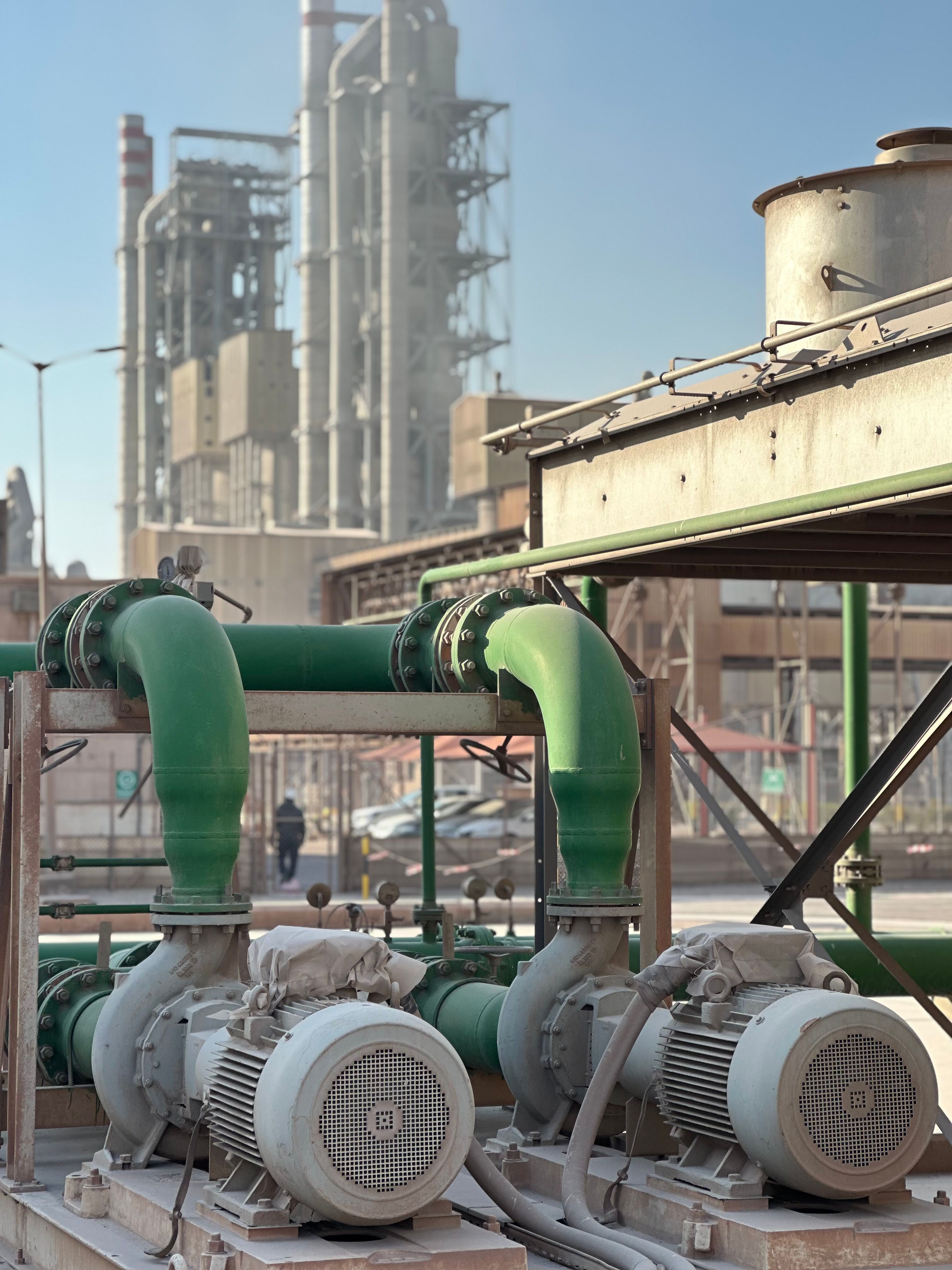
Durable water pumps are essential for operations in mines, factories, farms, and construction sites. These environments can involve dust, mud, temperature fluctuations, and extended working hours. Therefore, pumps must maintain consistent water flow and withstand the demands of the job.
However, not every pump is suitable for every worksite. Before making a choice, buyers should consider water flow rate, operating pressure, pump materials, and maintenance requirements. With the appropriate model, companies can minimize downtime and ensure continuous daily operations.
Eastrise provides self-priming water pumps for agricultural, industrial, and domestic applications, as well as excavator drainage and water transfer. The company also offers mining equipment such as conveyor belts, rollers, drums, and high-pressure rubber hoses. These products support a variety of industrial and mining operations.
Why Choose a Durable Water Pumpfor Harsh Working Conditions?
Challenging worksites place higher demands on pumps. For instance, a pump may be required to lift water from low elevations, dewater a work area, or supply water to machinery. If the pump cannot fulfill these requirements, operations may be delayed.
A properly selected pump offers several advantages.
- Steady water flow: It ensures water is moved at the rate required for the task.
- Reliable operation: The appropriate design supports stable performance during regular use.
- Reduced downtime: Correct pump selection and routine maintenance help prevent unexpected stoppages.
- Easy maintenance: Accessible key components simplify inspection and repair.
- Improved cost-effectiveness: A pump matched to the task can reduce energy waste and additional service expenses.
Therefore, buyers should select a pump based on actual working conditions rather than price alone.
Key Features of an Industrial Water Pump for Demanding Applications
When choosing an industrial water pump, evaluate the main features that influence performance and service life.
Durable Pump Construction
Pump materials determine how well the unit resists wear, corrosion, and exposure to different types of water. Stainless steel, cast iron, and suitable engineering plastics are commonly used, but the best choice depends on the application.
For example, water containing sand or solid particles will cause more abrasion than clean water. Additionally, water with chemical content may require specialized materials for the pump body, seals, and other components.
Before purchasing, ensure the selected materials are compatible with the water quality and operating environment.
Stable Flow Rate and Operating Pressure
A pump must provide sufficient water for the intended task. However, high pressure alone does not equate to better performance.
Flow rate indicates the volume of water the pump can move over a specific period. Operating pressure indicates the force with which water is pushed through the system. Both parameters are crucial when selecting a pump.
For this reason, buyers should verify the required flow rate, operating pressure, pipe diameter, and total discharge distance. A pump that aligns with these requirements can support stable operation without unnecessary energy consumption.
Consistent Performance During Extended Operation
Some industrial applications require a pump to run for long durations. In these cases, buyers should examine the rated duty cycle, motor capacity, cooling requirements, and service intervals.
Furthermore, ensure the pump can function under the anticipated temperature and water conditions. A model designed for intermittent use may not be suitable for continuous operation.
Convenient Inspection and Maintenance
Regular maintenance helps keep a pump in optimal working condition. Therefore, choose a design that allows easy access to filters, seals, connections, and other serviceable parts.
It is also prudent to check the availability of spare parts and technical support before placing an order. These factors can be critical when equipment requires repair at a remote worksite.
Typical Applications of a Durable Water Pump in Harsh Environments
A durable water pump can support numerous applications. However, the appropriate type depends on the water volume, water quality, and site conditions.
Mining and Excavator Dewatering
Mining and excavation operations may accumulate rainwater or groundwater in low-lying areas. A suitable pump can remove this water and keep the work area operational.
Before selecting a model, assess the pumping depth, required flow rate, solid content, and discharge distance. If the water contains sand or debris, confirm that the pump is designed to handle it. Not all self-priming pumps can manage water with large solid particles.
Industrial Water Transfer
Factories often need to move water between tanks, production areas, and storage systems. In these environments, a suitable pump helps maintain a consistent water supply.
Additionally, buyers should consider water temperature, piping layout, operating hours, and power supply. These factors influence pump performance after installation.
Agricultural Irrigation
Farmers utilize water pumps to draw water from wells, tanks, ponds, and other sources. A suitable pump can support irrigation for crops and gardens.
However, the pump must be compatible with the water source and irrigation system. Buyers should verify the required flow, head height, pipe length, and available power before selecting a model.
Construction Site Dewatering
Construction sites may experience water accumulation after heavy rainfall or during excavation. A suitable dewatering pump can help redirect water away from work areas.
For optimal results, consider the expected water volume, pumping height, hose diameter, and potential debris. Additionally, confirm whether the pump can operate safely given the site's power supply and weather conditions.
General Water Supply and Pressure Boosting
Some industrial and commercial systems require a reliable water supply or increased water pressure. In these instances, the pump should match the system's demand and pressure range.
Consequently, evaluating the entire system before purchase can help prevent low flow, overload, and other operational issues.
How to Select the Right Water Pump for Harsh Working Conditions
Choosing the correct pump begins with a clear definition of job requirements. Follow these steps to compare available options.
1. Define the Pumping Application
First, determine the pump's intended function. It may be used for drainage, irrigation, water transfer, or pressure boosting. Each application has distinct flow and pressure requirements.
2. Evaluate Water Quality
Next, confirm if the water is clean, muddy, hot, or likely to contain sand and debris. Water quality affects the selection of pump materials, seals, and inlet design.
3. Determine Flow Rate and Pumping Head
Calculate the volume of water that needs to be moved and the height or distance it must travel. Also, account for pipe friction and other system losses. These details help select a pump with appropriate performance.
4. Assess the Power Source
Electric, diesel, and solar-powered pumps may be suitable for different sites. For example, an electric pump may function well where a stable power supply is available. In remote locations, an alternative power source may be more practical.
Always confirm the power source and operating conditions supported by the selected model.
5. Compare Maintenance and Service Requirements
Finally, review the maintenance schedule, availability of spare parts, warranty terms, and supplier support. A lower purchase price may not offer the best value if the pump requires frequent repairs or is difficult to service.
Eastrise Water Pump and Mining Equipment Solutions
Eastrise is a Shanghai-based industrial supplier that integrates research and development, production, and global export. Its product portfolio includes conveyor belts, conveyor rollers, pulleys, high-pressure rubber hoses, fittings, and water pumps.
The company's featured self-priming water pump is intended for agricultural, industrial, and domestic use, as well as excavator drainage and water transfer. Its product specifications highlight efficiency, stable operation, durable construction, and easy maintenance.
Eastrise also provides mining equipment for demanding work environments. For example, conveyor belts and rollers support material handling, while high-pressure rubber hoses are used in hydraulic systems and related industrial equipment.For buyers sourcing multiple types of industrial equipment, this product range can simplify supplier communication. However, product specifications and availability should be verified for each project.
To learn more, visit the Eastrise official website or browse its water pump product page.
Before placing an order, request the pump's technical data sheet, performance curve, material specifications, and test records, if available. This helps confirm whether the product meets your site's requirements.
Water Pump Maintenance Tips for Extended Service LifeEven a well-constructed pump requires proper care. Routine inspections can help reduce wear and identify problems before they cause significant downtime.Check for leaks:
Inspect the pump body, seals, pipes, and hose connections.- Listen for unusual noises: Changes in sound or vibration may indicate a malfunction.
Therefore, define your requirements before comparing models. Additionally, review maintenance requirements and supplier support to help manage operating costs.
Eastrise
offers self-priming water pumps for various water transfer and drainage applications, along with a range of mining and industrial equipment. Contact Eastrise to confirm current product availability and technical details, then select a pump that suits your working conditions.


