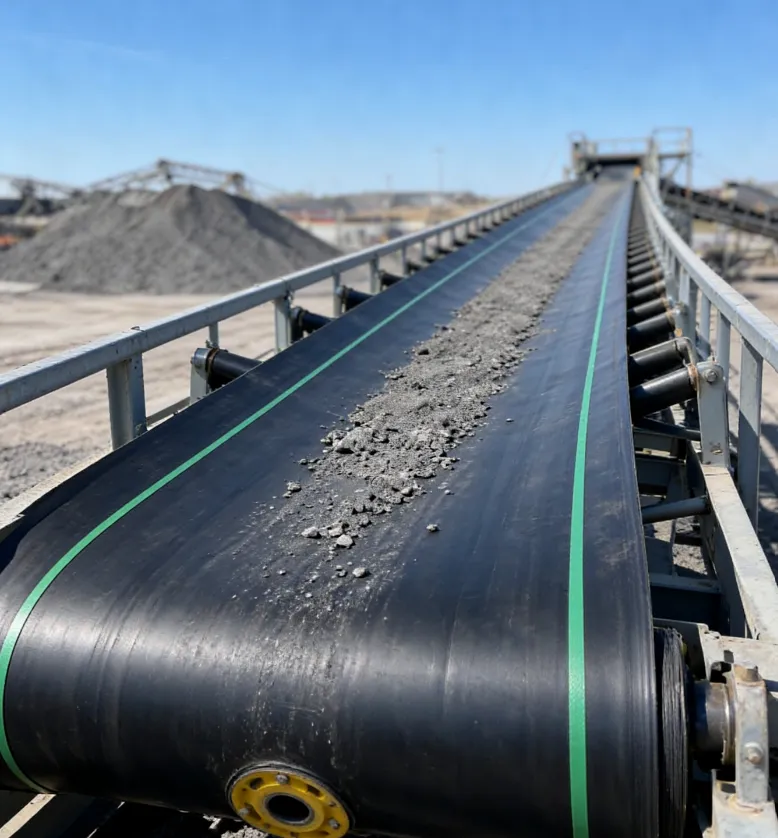
Nylon Canvas Mining Conveyor Belt Reliable Belt For Ore And Coal Transportation
Product Information
Brand:
Eastrise
Model number:
High Strength Nylon Conveyor Belt
Minimum Order Quantity:
60M
Material:
Nylon canvas core + rubber cover
Number of Plies:
3~7 plies
Width Range:
400mm – 1800mm


| Belt Width (mm) | Number of Plies | Thickness of Cover Rubber (mm) | |
|---|---|---|---|
| Top Cover (Working Face) | Bottom Cover (Non-working Face) | ||
| 400 | 3~4 | 4.5, 3.0 | 3.0, 1.5 |
| 500 | 3~5 | 4.5, 3.0 | 3.0, 1.5 |
| 600 | 3~5 | 6.0, 4.5, 3.0 | 3.0, 1.5 |
| 650 | 3~5 | 6.0, 4.5, 3.0 | 4.5, 3.0, 1.5 |
| 800 | 3~6 | 6.0, 4.5, 3.0 | 4.5, 3.0, 1.5 |
| 1000 | 3~7 | 6.0, 4.5, 3.0 | 4.5, 3.0, 1.5 |
| 1200 | 3~7 | 6.0, 4.5 | 4.5, 3.0 |
| 1400 | 4~7 | 6.0, 4.5 | 4.5, 3.0 |
| 1600 | 4~7 | 6.0, 4.5 | 4.5, 3.0 |
| 1800 | 4~7 | 6.0, 4.5 | 4.5, 3.0 |
Technical Performance
- All technical specifications of the belt comply with standard GB/T 7984
- Visual appearance meets the requirement of GB/T 526
- Minimum working temperature for cold-resistant type: -40℃
- Please contact us if you have any other special requirements
General type complies with GB/T
Recommended products
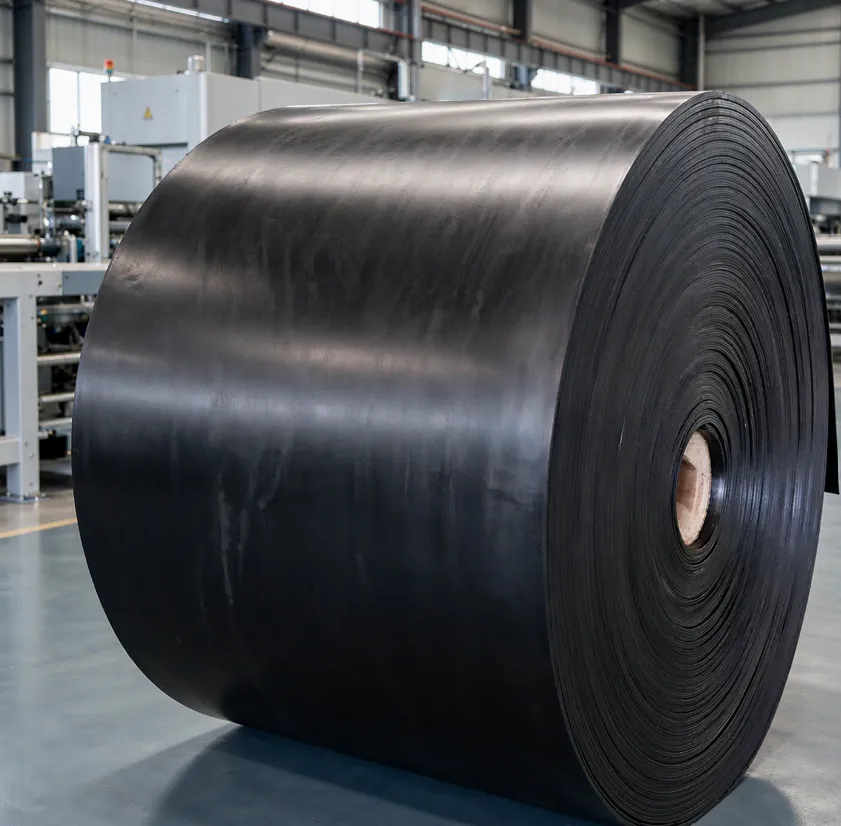
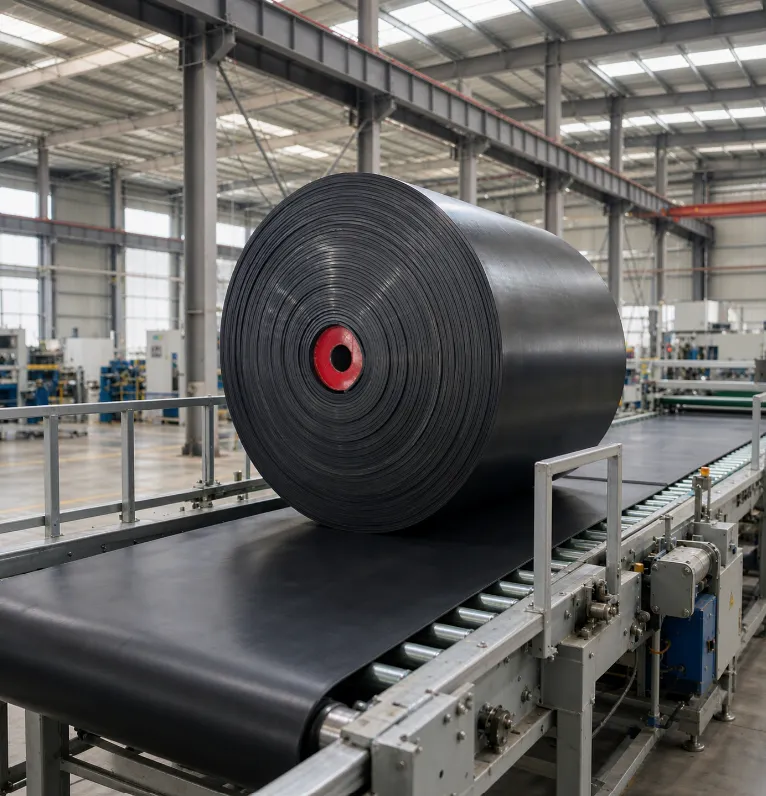
Long Service Life Nylon Canvas Conveyor Belt Anti-bacteria & Anti-corrosion General & Wear-resistant Nylon Canvas Conveyor Belt -40℃ Cold Resistant GB/T7984 Standard
Variety :According to the performance of rubber cover, products can be classified into General Type and Wear-resistant Type.
Features :
- High tensile strength: twice that of vinylon, six times that of cotton canvas
- Light weight, easy installation and lower power consumption
- Good flexibility, excellent impact resistance and tear resistance
- Thin belt body, allowing smaller pulley diameter
- Good troughability for higher conveying capacity
- Outstanding corrosion resistance, resistant to bacteria and microbial erosion
- Wide range of strength & specifications for selection
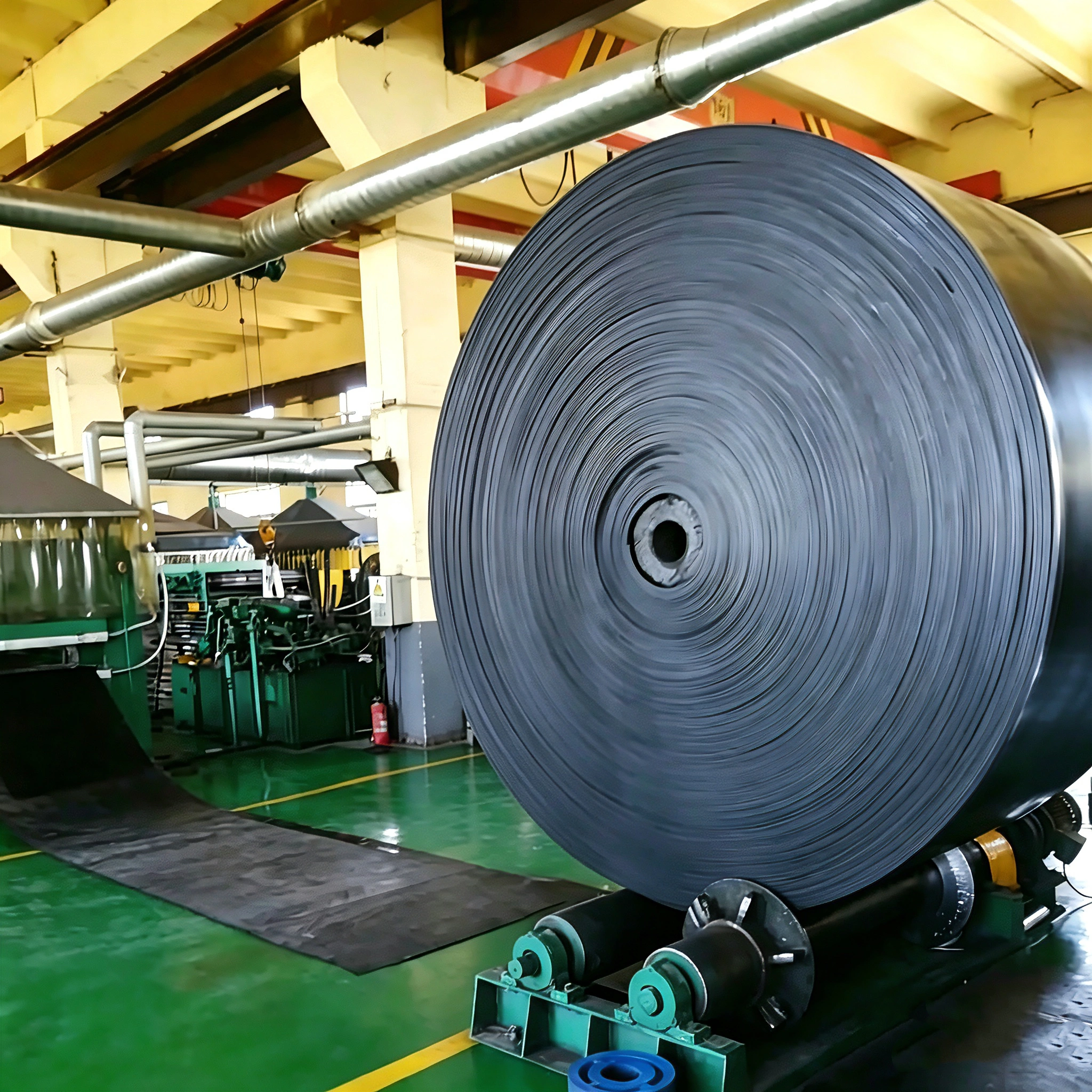
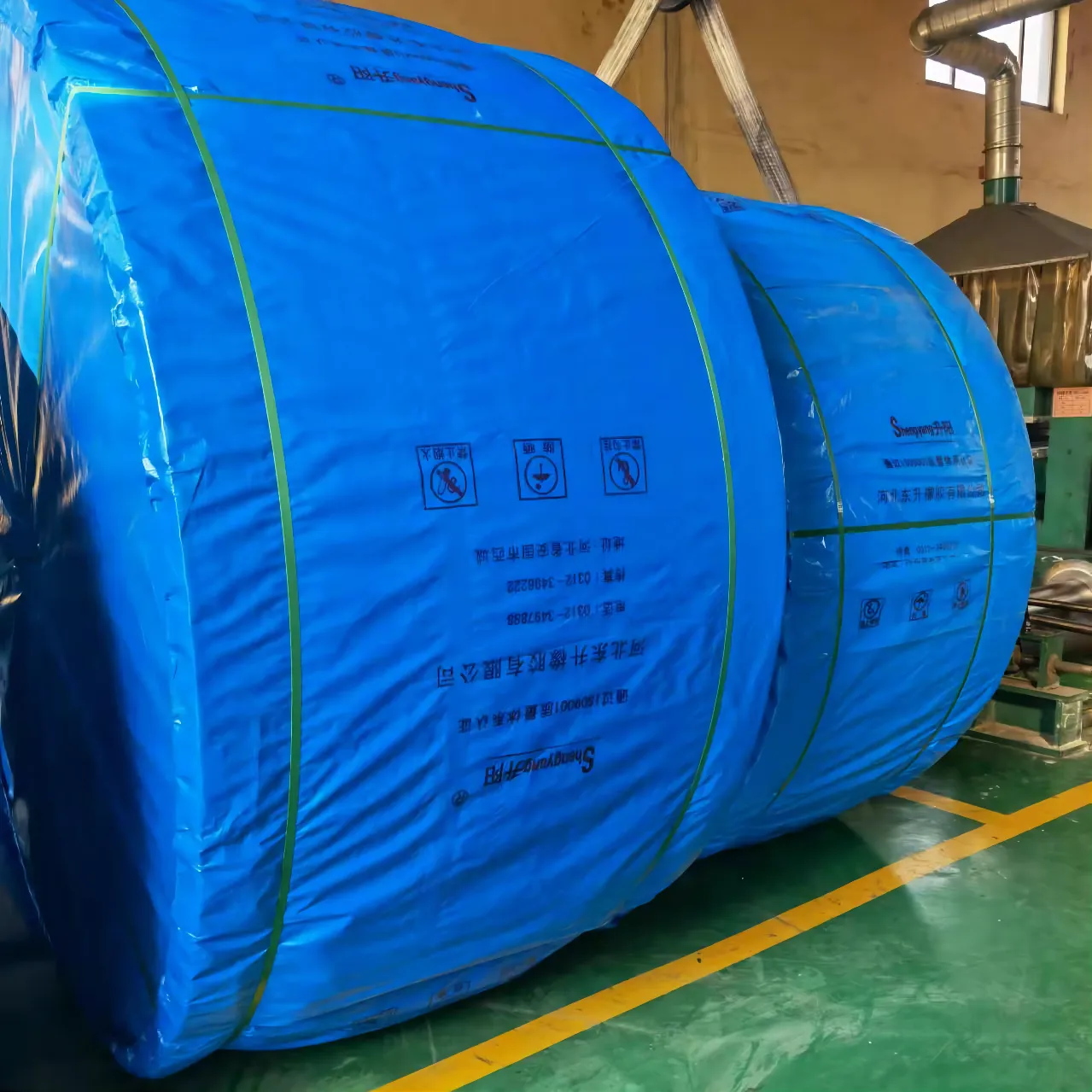
nylon conveyor belt
Nylon Conveyor Belt (referred to as NN conveyor belt) is a general-purpose conveyor belt made with nylon canvas (NN) as the carcass material and covered with wear-resistant rubber on the surface. Leveraging four core advantages—high strength, high elasticity, fatigue resistance, and lightweight design—it has become the mainstream choice for medium to short-distance, medium to high-tension material conveying in industries such as mining, coal, building materials, and grain. It is suitable for the continuous conveying of bulk, granular, and lump materials (e.g., coal, ore, grain, fertilizer, etc.), effectively addressing the issues of insufficient strength and susceptibility to tensile deformation found in traditional canvas conveyor belts.


