
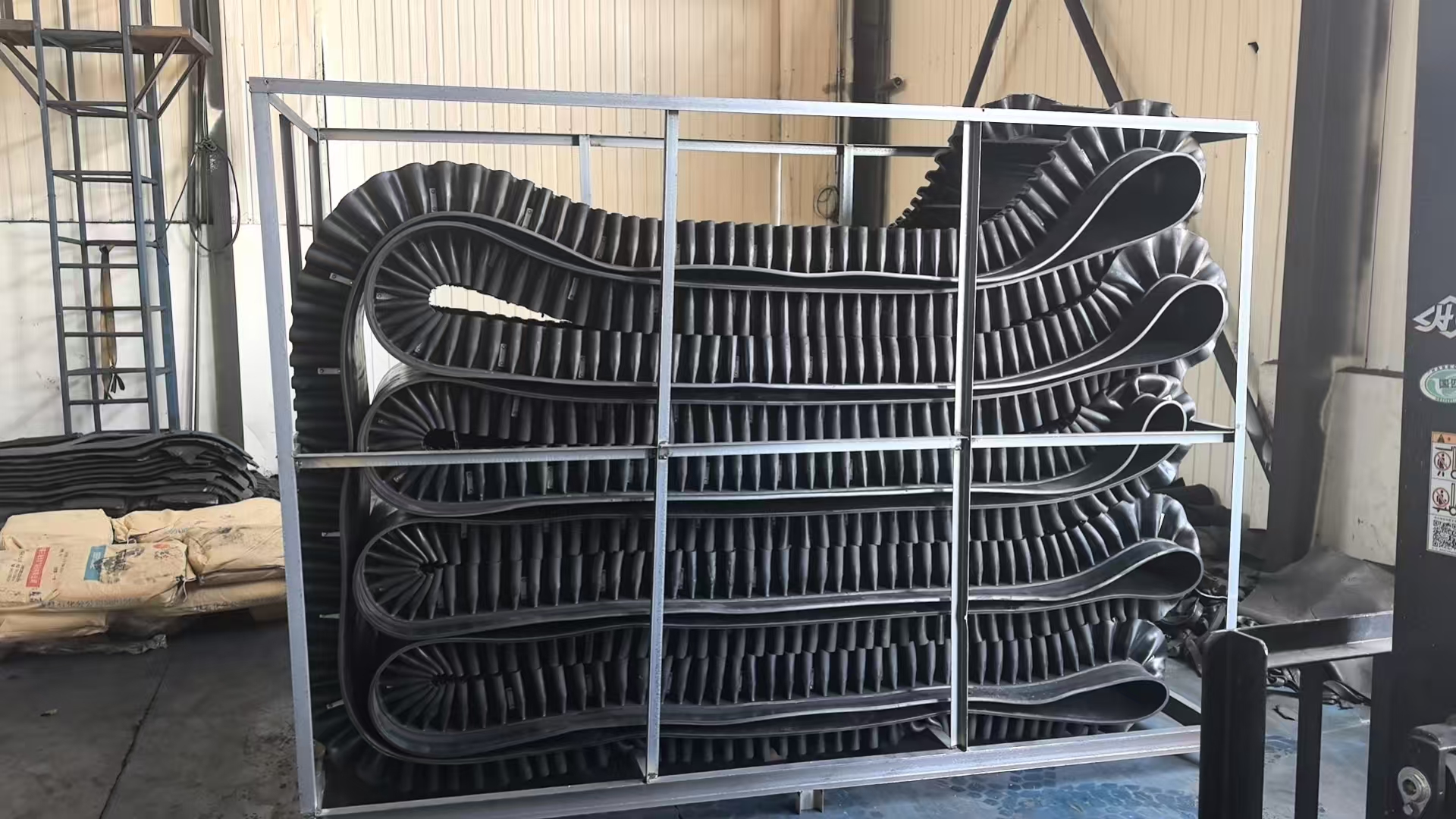
Conveyor belts are very important in many industries. They help move products quickly and smoothly. However, over time, they may fail. When this happens, production slows down, costs increase, and work may even stop. So, it is very important to understand why conveyor belts fail and how to prevent these problems.
What Causes Conveyor Belt Failure?
There are many reasons why conveyor belts fail.
First, poor installation is a common cause. If the belt is not aligned correctly, it will wear out faster and become damaged.
Moreover, overloading is another major reason. When a belt carries too much weight, it can stretch, slip, or even break.
In addition, harsh working conditions also affect belt life. Heat, cold, dust, and moisture can all weaken the belt over time.
Finally, lack of maintenance is one of the biggest problems. Small issues are often ignored, but they can grow into serious failures later.
Common Conveyor Belt Problems
Several common problems often lead to belt failure.
One of them is belt misalignment. This happens when the belt moves away from its correct path.
Another common issue is belt slipping. This usually happens when the tension is too low or when pulleys are worn out.
Surface damage is also very common. Cuts, cracks, and wear can reduce the strength of the belt.
Moreover, material buildup can block smooth movement. Dirt and debris can cause extra friction and reduce efficiency.
As a result, these small problems can quickly turn into big breakdowns if they are not fixed in time.
How to Prevent Conveyor Belt Failure
Preventing failure is always better than repairing it.
First, make sure the conveyor belt is installed correctly. Proper alignment and correct tension are very important.
Moreover, always choose the right belt for the right job. Avoid overloading the system.
In addition, try to protect the belt from dust, water, and extreme temperatures whenever possible.
Regular inspection is also very important. Check for early signs of damage before they become serious.
Therefore, quick action can help prevent costly downtime.
Maintenance Tips for Conveyor Belts
Good maintenance can greatly extend belt life.
First, clean the belt regularly. This helps prevent dirt buildup.
Second, check belt tension often. Proper tension improves stability and performance.
Moreover, inspect rollers and pulleys to make sure they are not worn out.
In addition, lubricate moving parts when needed to reduce friction and wear.
Finally, set a regular maintenance schedule. This helps you find problems early and fix them quickly.
Conclusion
In conclusion, conveyor belts fail for many reasons, such as poor installation, overloading, and lack of maintenance. However, with proper care, correct use, and regular inspection, most of these problems can be avoided.
Therefore, by taking simple preventive steps, you can improve efficiency, reduce downtime, and save costs in the long run.


Copyright © 2026 上海伊胶特贸易有限公司 Ltd. All Rights Reserved. POWERED BY WEIMOBTRADE
