
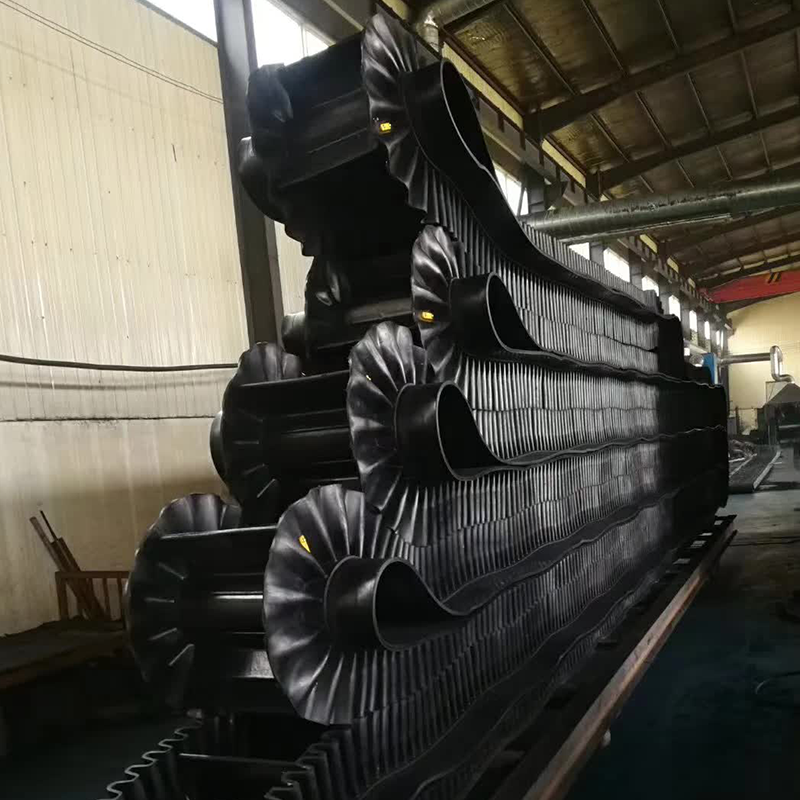
Choosing the best conveyor belt for industrial use is not always simple. Different industries need different belt types. Also, the right choice can improve speed, safety, and long-term cost. In this guide, you will learn how to choose the best conveyor belt step by step.
What Is a Conveyor Belt in Industrial Use?
A conveyor belt is a continuous moving surface used to transport materials from one place to another. In industrial use, it helps move goods faster and more safely.
In addition, conveyor belts reduce manual labor. As a result, production becomes more efficient and stable.
Why Choosing the Best Conveyor Belt for Industrial Use Matters
Selecting the right conveyor belt is very important. First, it affects production speed. Second, it impacts maintenance costs. Finally, it influences workplace safety.
For example, a poor-quality belt may break often. Therefore, downtime increases and productivity drops.
On the other hand, a high-quality belt works longer and runs more smoothly.
Main Types of Conveyor Belts for Industrial Use
To find the best conveyor belt for industrial use, you should first understand the main types.
1. Rubber Conveyor Belts
Rubber belts are strong and flexible. They are widely used in mining, construction, and heavy industries.
Moreover, they handle heavy loads very well. Because of this, they are very popular in tough environments.
2. PVC Conveyor Belts
PVC belts are lightweight and cost-effective. They are often used in food processing and packaging.
In addition, they are easy to clean. Therefore, they are suitable for industries with strict hygiene rules.
3. PU Conveyor Belts
PU (polyurethane) belts are durable and oil-resistant. They are commonly used in food and pharmaceutical industries.
Furthermore, they offer good wear resistance. As a result, they last longer under continuous use.
4. Steel Cord Conveyor Belts
Steel cord belts are extremely strong. They are mainly used for long-distance and heavy-load transport.
However, they are more expensive. Still, they are the best choice for extreme industrial conditions.
How to Choose the Best Conveyor Belt for Industrial Use
When selecting a conveyor belt, you should consider several key factors.
1. Load Capacity
First, check how heavy your materials are. If the load is heavy, choose rubber or steel cord belts.
2. Working Environment
Next, consider the environment. For example, wet or oily areas need special resistant belts.
3. Speed Requirements
In addition, think about production speed. Some belts work better at high speeds than others.
4. Maintenance Needs
Also, choose a belt that is easy to maintain. This will reduce downtime and save costs.
5. Budget
Finally, consider your budget. While cheaper belts save money at first, they may cost more in repairs later.
Benefits of Using the Best Conveyor Belt for Industrial Use
Using the right conveyor belt brings many advantages.
First, it improves efficiency. Second, it reduces labor costs. Third, it increases safety in the workplace.
Moreover, it helps maintain stable production quality. As a result, your business becomes more competitive.
Common Mistakes When Choosing Conveyor Belts
Many businesses make mistakes when selecting conveyor belts.
For instance, some choose only based on price. However, this often leads to higher maintenance costs.
In addition, some ignore working conditions. Therefore, the belt wears out faster than expected.
Conclusion: What Is the Best Conveyor Belt for Industrial Use?
There is no single “best” conveyor belt for every industry. Instead, the best choice depends on your material type, working environment, and budget.
To sum up, if you choose carefully, the right conveyor belt will improve efficiency, reduce costs, and support long-term production success.


Copyright © 2026 上海伊胶特贸易有限公司 Ltd. All Rights Reserved. POWERED BY WEIMOBTRADE
