
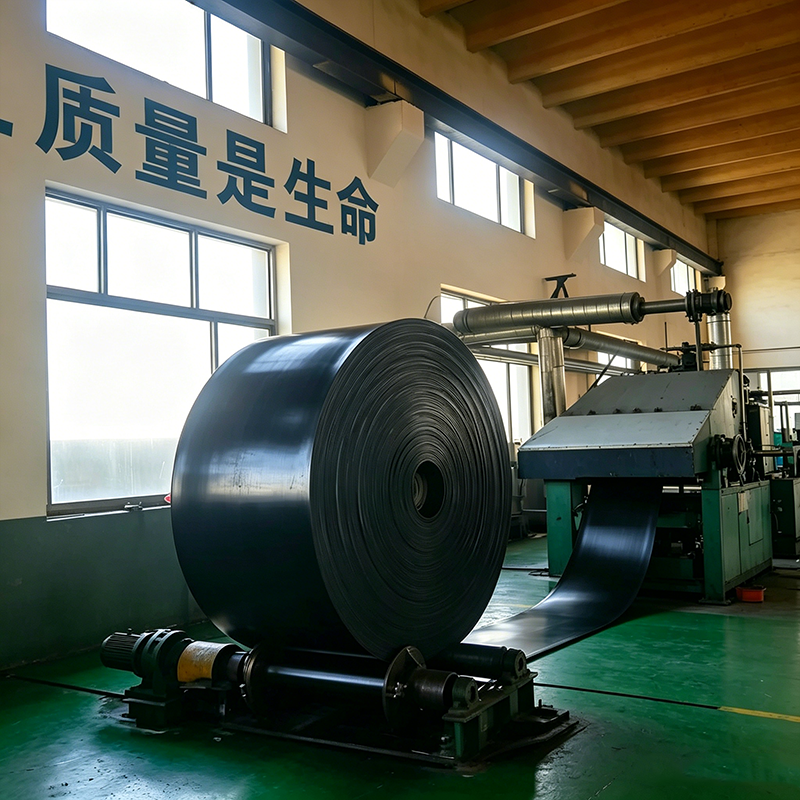
Why Industrial Conveyor Belt Solutions Matter in Modern Manufacturing
Modern factories need fast and smooth production lines. As a result, many manufacturers now use industrial conveyor belt solutions to improve daily operations. These systems help move products, materials, and packages from one place to another with less manual work.
At the same time, conveyor belts help companies reduce downtime and improve product quality. Because of this, industries such as automotive, food processing, mining, logistics, and packaging depend heavily on conveyor systems.
In addition, modern conveyor belt systems support automation. This allows factories to increase production speed while lowering labor costs. Therefore, choosing the right conveyor belt solution is now more important than ever.
Types of Industrial Conveyor Belt Solutions for Manufacturing
Different industries require different conveyor systems. Therefore, manufacturers must select conveyor belts based on production needs, material type, and work environment.
Rubber Conveyor Belts for Heavy-Duty Applications
Rubber conveyor belts are widely used in mining, construction, and bulk material handling. They are strong, durable, and resistant to wear.
Moreover, these belts can handle heavy loads and rough conditions. Because of this, they are ideal for long-term industrial use.
PVC Conveyor Belts for Food and Packaging Industries
PVC conveyor belts are lightweight and easy to clean. As a result, they are commonly used in food processing, pharmaceutical, and packaging industries.
In addition, these belts offer excellent flexibility and smooth transportation. Therefore, they help maintain hygiene and improve efficiency.
Modular Conveyor Belts for Flexible Production Lines
Modular conveyor belts are made from connected plastic pieces. This design makes them easy to repair and replace.
Furthermore, modular systems can move products in curves or different directions. Because of this, they are perfect for modern automated factories.
Heat Resistant Conveyor Belts for High-Temperature Environments
Some industries operate under extreme heat conditions. For example, cement plants and steel factories require heat resistant conveyor belts.
These belts can handle high temperatures without damage. As a result, they improve safety and reduce maintenance costs.
Key Benefits of Industrial Conveyor Belt Systems
Industrial conveyor belt solutions provide many advantages for modern manufacturing companies.
Improve Production Efficiency
Conveyor systems move materials quickly and continuously. Therefore, workers spend less time carrying products manually.
As a result, factories can increase production output and improve workflow.
Reduce Labor Costs
Automation reduces the need for heavy manual labor. In addition, conveyor systems lower the risk of workplace injuries.
Because of this, businesses can save money while improving worker safety.
Support Smart Factory Automation
Modern conveyor belt systems can connect with automated machines and sensors. Therefore, manufacturers can monitor production in real time.
At the same time, automated systems help reduce errors and improve product consistency.
Lower Maintenance and Downtime
High-quality industrial conveyor belts are designed for long service life. Furthermore, modern materials improve durability and wear resistance.
As a result, companies experience fewer breakdowns and lower maintenance expenses.
How to Choose the Right Industrial Conveyor Belt Solution
Choosing the correct conveyor belt is essential for manufacturing success. However, many factors should be considered before making a decision.
Consider Material Type
Different materials require different belt surfaces and strengths. For example, sharp or heavy materials need stronger conveyor belts.
Meanwhile, food products require hygienic and easy-to-clean belts.
Check Operating Environment
Factories with high temperatures, moisture, or chemicals need special conveyor belts. Therefore, businesses should select belts designed for their working conditions.
Evaluate Load Capacity
The conveyor belt must support the weight of transported products. Otherwise, the system may wear out quickly or fail during operation.
Focus on Energy Efficiency
Energy-saving conveyor systems help reduce operational costs. In addition, modern motors and smart controls improve overall performance.
Industrial Conveyor Belt Solutions for Different Industries
Many industries rely on conveyor systems to improve production efficiency.
Automotive Manufacturing Conveyor Systems
Automotive factories use conveyor belts to transport vehicle parts and components. As a result, assembly lines operate faster and more smoothly.
Food Processing Conveyor Belt Solutions
Food-grade conveyor belts support hygienic transportation of food products. Moreover, they help manufacturers meet strict safety standards.
Warehouse and Logistics Conveyor Systems
Logistics companies use conveyor systems for sorting and package handling. Therefore, delivery speed and accuracy improve significantly.
Mining and Bulk Material Handling Conveyor Belts
Mining operations require heavy-duty conveyor belts for transporting ore, coal, and stone. Because of this, durability and strength are extremely important.
Future Trends in Industrial Conveyor Belt Technology
Technology continues to improve conveyor belt systems. As a result, modern factories now use smarter and more efficient solutions.
Smart Conveyor Belt Monitoring
Sensors can detect belt wear, temperature, and performance issues in real time. Therefore, companies can prevent unexpected downtime.
Energy-Efficient Conveyor Systems
Many manufacturers now focus on reducing energy use. Because of this, energy-saving motors and lightweight materials are becoming more popular.
Automated and AI-Based Conveyor Solutions
Artificial intelligence helps optimize conveyor speed and workflow. In addition, automated systems improve production accuracy and reduce waste.
Conclusion
Industrial conveyor belt solutions play a key role in modern manufacturing. They improve efficiency, reduce labor costs, and support factory automation.
At the same time, different industries require different conveyor systems based on their production needs. Therefore, businesses should carefully choose conveyor belts that match their environment and operational goals.
As technology continues to advance, industrial conveyor systems will become smarter, safer, and more energy efficient. Because of this, investing in high-quality conveyor belt solutions is essential for long-term manufacturing success.


Copyright © 2026 上海伊胶特贸易有限公司 Ltd. All Rights Reserved. POWERED BY WEIMOBTRADE
