How to Select the Best Conveyor Roller for Heavy Duty Systems?
News Details
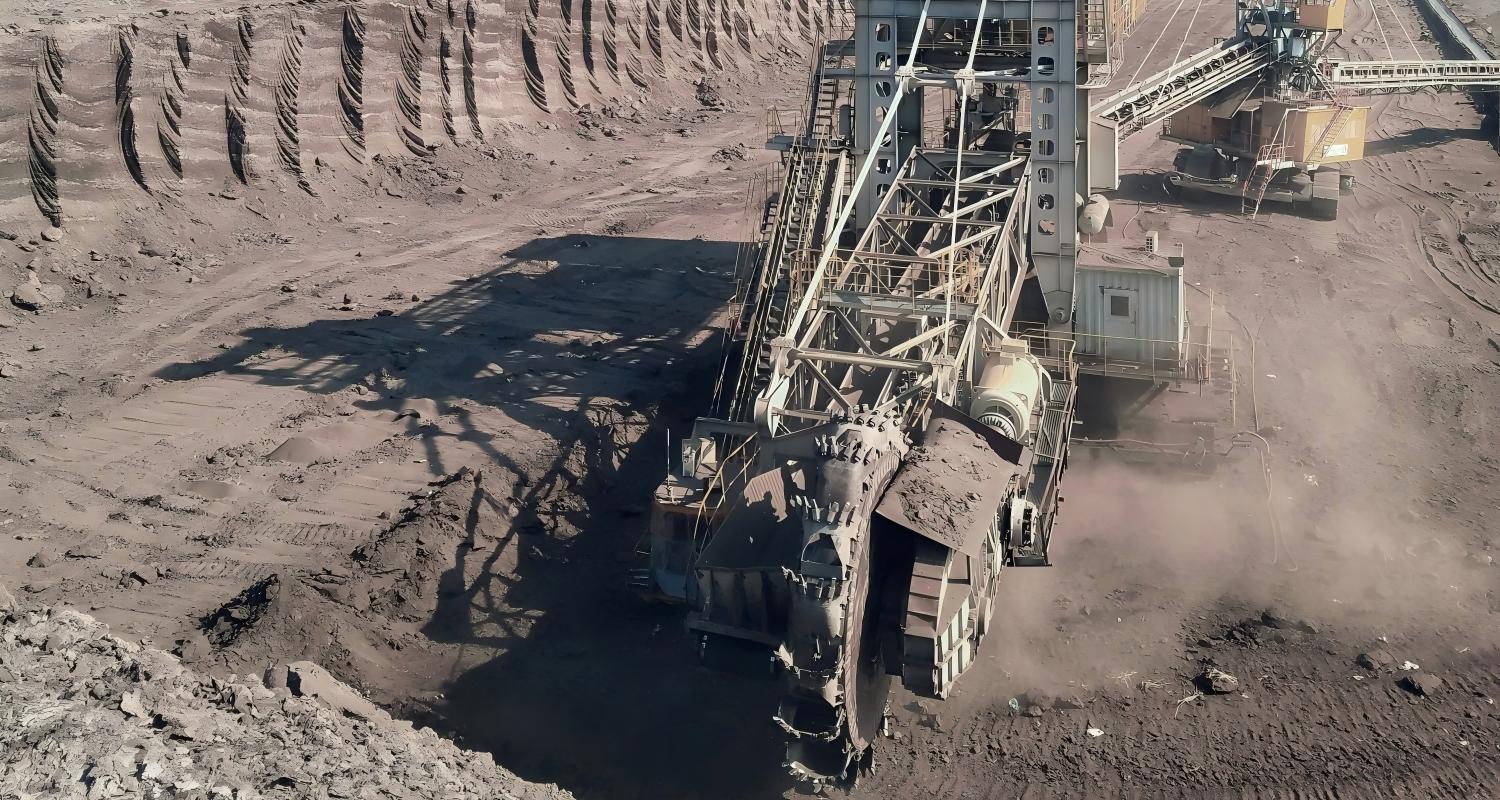
In heavy duty industries, conveyor systems play an important role in moving large amounts of materials safely and efficiently. However, the performance of a conveyor system depends greatly on the quality of its components, especially the conveyor roller.
A suitable conveyor roller can reduce downtime, improve belt performance, and extend the service life of the entire conveyor system. On the other hand, choosing the wrong roller may lead to belt damage, higher maintenance costs, and frequent production stops.
Therefore, selecting the best conveyor roller for heavy duty systems requires careful consideration of factors such as load capacity, working environment, material quality, and application needs.
As a professional supplier of mining accessories, Shanghai Eastrise Trading Co., Ltd. provides reliable conveyor rollers, conveyor belts, drums, and related components for mining, quarrying, and industrial applications. With strong manufacturing support and strict quality control, Eastrise helps customers build more stable and efficient conveyor systems.
Why Choosing the Right Heavy Duty Conveyor Roller Is Important?
First of all, conveyor rollers support the conveyor belt and the materials being transported. In heavy duty systems, rollers often work under high loads, continuous operation, dust, moisture, and impact conditions.
Because of this, standard rollers may not meet the needs of demanding industries. A high-quality heavy duty conveyor roller offers:
- Better load support for heavy materials
- Lower friction during belt movement
- Reduced energy consumption
- Longer service life
- Less maintenance and replacement cost
Moreover, the right roller helps keep the conveyor belt aligned and running smoothly. As a result, companies can improve productivity while reducing unexpected downtime.
How to Choose a Conveyor Roller Based on Load Capacity?
Load capacity is one of the most important factors when selecting a conveyor roller. Heavy duty conveyor systems usually transport materials such as coal, ore, stone, cement, and other bulk products. These materials can create strong pressure on rollers.
Before choosing a roller, consider:
- Material weight per meter
- Belt width
- Conveyor speed
- Impact force during loading
- Operating hours per day
For example, mining conveyors require rollers with strong structures and high-quality bearings because they often operate 24 hours a day under extreme conditions.
Eastrise conveyor rollers are designed for demanding industrial environments. The company provides durable idler rollers with reliable performance to support heavy material handling systems.
How Does the Working Environment Affect Conveyor Roller Selection?
In addition to load capacity, the working environment also affects roller performance.
Different industries face different challenges:
Mining and Quarry Applications
Mining environments usually include:
- Heavy impact from large materials
- High dust levels
- Long working hours
- Outdoor exposure
Therefore, conveyor rollers need strong shells, reliable seals, and wear-resistant designs.
Humid or Wet Environments
For ports, washing plants, and outdoor systems, moisture resistance is essential. High-quality rollers should prevent water and dust from entering the bearing area.
High Temperature Areas
Some industrial applications involve high temperatures. In these cases, roller materials and lubrication systems must be selected carefully to maintain stable operation.
By understanding the working environment, businesses can select conveyor rollers that provide better reliability and longer service life.
What Types of Heavy Duty Conveyor Rollers Are Available?
Different conveyor systems require different roller designs. The most common types include:
Carrying Conveyor Rollers
Carrying rollers support the loaded conveyor belt on the upper side. They are widely used in mining, aggregate, and bulk material handling systems.
Return Conveyor Rollers
Return rollers support the empty belt on the lower side of the conveyor. They help maintain belt stability and reduce unnecessary movement.
Impact Conveyor Rollers
Impact rollers are installed in loading areas where materials drop onto the belt. They usually feature stronger designs to absorb impact and protect the belt.
Self-Aligning Conveyor Rollers
Self-aligning rollers help correct belt deviation. Therefore, they are useful for long conveyor systems where belt tracking is a common issue.
Eastrise supplies various conveyor system components, including idler rollers and related mining accessories, to meet different industrial requirements.
How to Evaluate Conveyor Roller Material and Quality?
Material quality directly affects roller performance. A heavy duty conveyor roller normally consists of several key parts:
- Roller shell
- Shaft
- Bearing
- Sealing system
- Protective coating
A high-quality roller should have:
Strong Roller Shell
The shell needs enough strength to handle heavy loads and repeated impact.
Reliable Bearings
Bearings are critical for smooth rotation. Good bearings reduce friction and help prevent overheating.
Effective Sealing System
Dust and water can damage internal parts. Therefore, proper sealing improves durability in harsh environments.
Quality Manufacturing Process
Precision manufacturing ensures better balance, lower vibration, and stable operation.
At Eastrise, strict quality control is applied from raw material selection to finished product inspection, helping ensure consistent product performance for global customers.
Why Choose Eastrise Conveyor Rollers for Heavy Duty Applications?
Choosing a reliable supplier is as important as choosing the right product. Eastrise focuses on providing complete conveyor system solutions for mining and industrial customers.
Key advantages include:
- Professional experience in mining accessories
- Integrated manufacturing and export capabilities
- Strict quality inspection process
- Customized solutions for different conveyor systems
- Products suitable for global industrial applications
Besides conveyor rollers, Eastrise also supplies rubber conveyor belts, conveyor drums, high-pressure rubber hoses, and connectors. This allows customers to source multiple conveyor-related products from one trusted supplier.
What Should You Check Before Buying a Heavy Duty Conveyor Roller?
Before placing an order, consider the following checklist:
- Confirm the conveyor belt width and roller size.
- Check the required load capacity.
- Understand the operating environment.
- Select suitable roller types.
- Verify material and bearing quality.
- Choose a supplier with manufacturing experience.
- Request technical support when needed.
Furthermore, working with an experienced supplier can help avoid incorrect selection and reduce future maintenance problems.
Conclusion: Choose the Right Conveyor Roller for Better System Performance
Selecting the best conveyor roller for heavy duty systems requires a complete understanding of your conveyor design, working conditions, and material handling needs.
A reliable conveyor roller improves belt stability, reduces maintenance costs, and supports long-term operation. Therefore, companies should focus on product quality, supplier experience, and application suitability instead of only considering price.
With professional manufacturing capability and a wide range of mining accessories,Eastriseprovides durable conveyor rollers and conveyor system solutions designed for challenging industrial environments. Choosing the right roller today can help create a safer, more efficient, and more reliable conveyor system in the future.


