
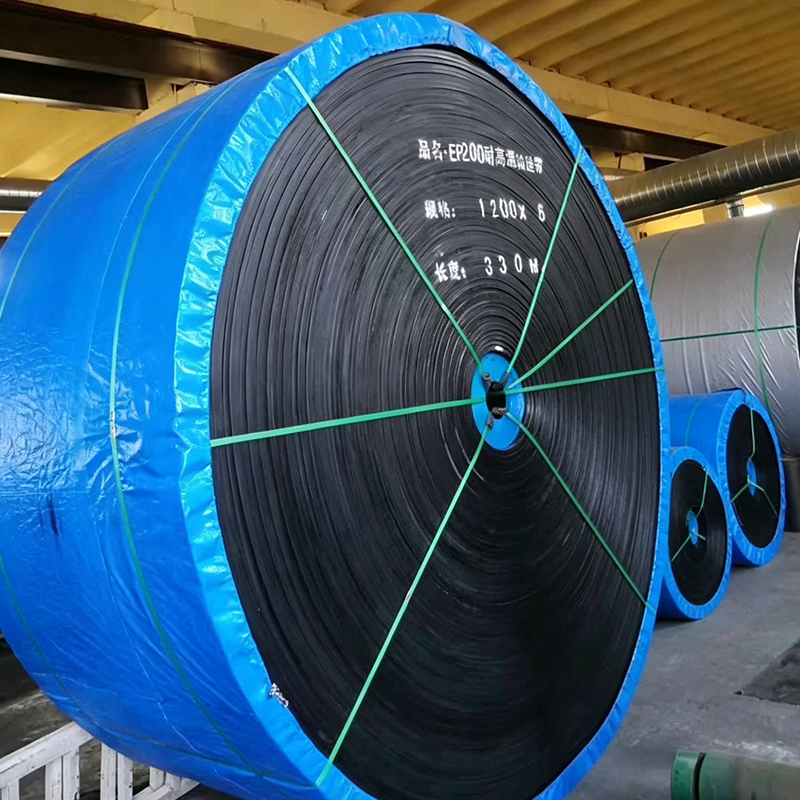
Why Choosing the Right Conveyor Belt Matters
A conveyor belt is one of the most important parts of any production line. It helps move products faster, reduces labor costs, and improves work efficiency. However, not all conveyor belts are the same. If you choose the wrong one, you may face problems like product damage, downtime, and high maintenance costs.
Therefore, choosing the right conveyor belt for your industry is very important. The correct belt can improve productivity, increase safety, and extend equipment life. At the same time, it can help businesses save money and improve overall performance.
In this guide, you will learn how to select the best conveyor belt based on your industry needs, working environment, and material type.
Understand Your Industry Requirements Before Choosing a Conveyor Belt
Different industries need different conveyor belt systems. For example, food factories need belts that are easy to clean, while mining companies need heavy-duty belts that can handle sharp materials.
Before choosing a conveyor belt, ask yourself these questions:
- What products will the belt carry?
- How heavy are the materials?
- Is the environment hot, cold, wet, or oily?
- Does the conveyor need to move products uphill?
- What speed is required?
By understanding these details first, you can avoid buying the wrong conveyor belt.
Some common industries and their conveyor belt needs include:
Food Industry Conveyor Belts
Food processing plants usually use PVC or PU conveyor belts because they are hygienic and easy to wash. In addition, these belts resist oil and moisture.
Mining Industry Conveyor Belts
Mining operations often need rubber conveyor belts with high wear resistance. These belts can carry heavy stones, coal, and ores.
Logistics and Packaging Conveyor Belts
Warehouses and logistics centers often use lightweight conveyor belts for fast and smooth transportation of boxes and packages.
Manufacturing Industry Conveyor Belts
Factories may require heat-resistant or anti-static conveyor belts depending on the products they make.
Choose the Right Conveyor Belt Material for Better Performance
The conveyor belt material directly affects durability and performance. Therefore, selecting the right material is essential.
Rubber Conveyor Belts
Rubber conveyor belts are strong and flexible. They are widely used in mining, construction, and heavy industries because they resist impact and abrasion.
PVC Conveyor Belts
PVC belts are lightweight and cost-effective. They are commonly used in food processing, packaging, and general manufacturing.
PU Conveyor Belts
PU conveyor belts offer better oil resistance and hygiene. Because of this, they are ideal for food and pharmaceutical industries.
Metal Conveyor Belts
Metal conveyor belts can handle very high temperatures. They are often used in baking, drying, and industrial heating systems.
Fabric Conveyor Belts
Fabric belts are flexible and suitable for light-duty applications. They are commonly used in airports and retail systems.
Consider Conveyor Belt Load Capacity and Strength
Load capacity is another important factor. A conveyor belt must support the weight of the products without stretching or breaking.
If your industry handles heavy materials, choose a belt with:
- High tensile strength
- Strong reinforcement layers
- Excellent impact resistance
On the other hand, lightweight industries can use thinner and more flexible conveyor belts.
In addition, always consider the conveyor length and operating speed. Higher speeds and longer systems usually require stronger belts.
Check Conveyor Belt Resistance Features for Different Environments
Working environments can greatly affect conveyor belt performance. Therefore, you should select special resistance features based on your operating conditions.
Heat-Resistant Conveyor Belts
High-temperature industries like steel and cement factories need heat-resistant conveyor belts to prevent damage.
Oil-Resistant Conveyor Belts
Food and chemical industries often use oil-resistant belts because oils can weaken standard materials.
Flame-Resistant Conveyor Belts
Mining and underground operations require flame-resistant belts to improve safety.
Cold-Resistant Conveyor Belts
Cold storage and frozen food industries need belts that can remain flexible in low temperatures.
Anti-Static Conveyor Belts
Electronics factories usually choose anti-static belts to protect sensitive products.
Select the Correct Conveyor Belt Surface Design
The surface design also plays an important role. Different surface patterns help improve grip and product movement.
Common conveyor belt surface types include:
- Smooth surface belts for flat products
- Rough top belts for extra grip
- Cleated conveyor belts for inclined transport
- Modular belts for easy maintenance
For example, if products move upward, cleated conveyor belts help prevent slipping.
Think About Conveyor Belt Maintenance and Service Life
A durable conveyor belt can reduce downtime and maintenance costs. Therefore, always consider maintenance requirements before purchasing.
Here are some tips:
- Choose wear-resistant materials
- Inspect belts regularly
- Keep belts clean
- Replace damaged parts quickly
- Ensure proper belt tension
In addition, high-quality conveyor belts often last longer and provide better long-term value.
Work With a Reliable Conveyor Belt Manufacturer
Choosing a trusted conveyor belt supplier is just as important as choosing the belt itself. A professional manufacturer can help you select the right product for your application.
A reliable supplier should offer:
- Industry experience
- Product customization
- Technical support
- Stable product quality
- Fast delivery service
In addition, experienced manufacturers can recommend the best conveyor belt solutions based on your production needs.
Common Mistakes to Avoid When Choosing a Conveyor Belt
Many businesses choose conveyor belts based only on price. However, cheaper belts may wear out quickly and increase maintenance costs.
Here are some common mistakes to avoid:
- Ignoring working environment conditions
- Choosing the wrong belt material
- Overlooking load capacity
- Buying low-quality products
- Forgetting maintenance requirements
Therefore, it is always better to focus on quality, performance, and long-term reliability.
Conclusion: Choose the Best Conveyor Belt for Long-Term Efficiency
Choosing the right conveyor belt for your industry can improve efficiency, reduce downtime, and lower operating costs. However, the best choice depends on your material type, environment, load capacity, and production needs.
Before making a decision, carefully evaluate belt material, strength, resistance features, and maintenance requirements. In addition, working with a reliable conveyor belt manufacturer can help you find the most suitable solution.
With the right conveyor belt system, your business can achieve smoother operations, higher productivity, and better long-term performance.


Copyright © 2026 上海伊胶特贸易有限公司 Ltd. All Rights Reserved. POWERED BY WEIMOBTRADE
