
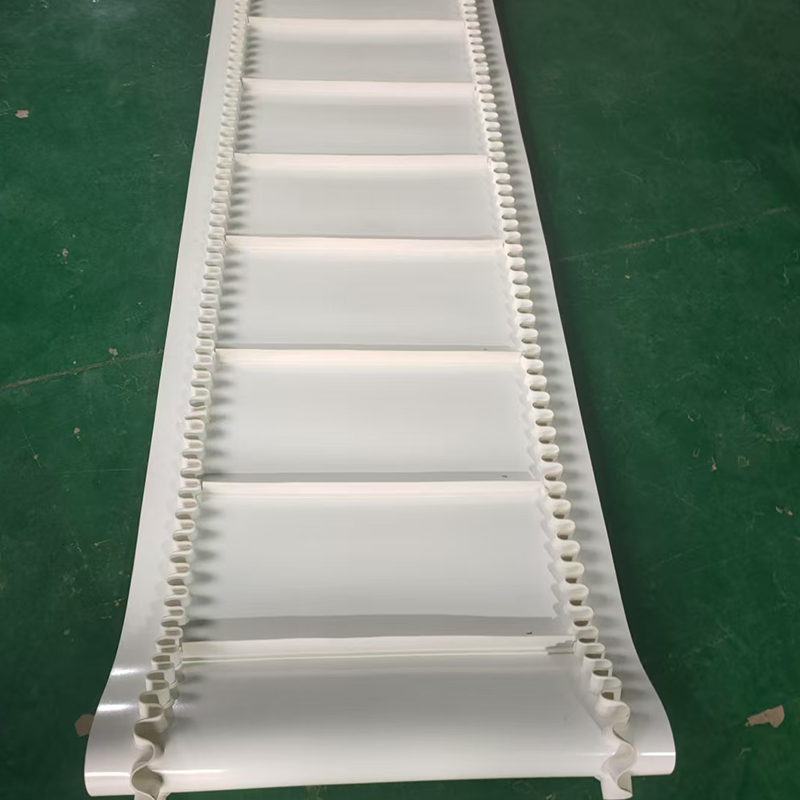
Conveyor Belt Systems are one of the most important tools in modern industry. They help move goods fast, safe, and with less effort. From factories to warehouses, these systems are everywhere. But how do they really work? And why do they matter so much today? Let’s break it down in simple words.
Conveyor Belt Systems Working Principle Explained
Conveyor Belt Systems work on a very simple idea: continuous movement. A belt is looped over rollers. One roller is powered by a motor. When the motor runs, the belt moves. As a result, items placed on the belt move from one point to another.
In addition, the system can run in a straight line or change direction. This makes it very flexible for different work needs.
Key Parts of Conveyor Belt Systems You Should Know
To understand Conveyor Belt Systems better, you need to know the main parts:
· Belt: The surface that carries materials
· Motor: Provides power to move the belt
· Rollers/Pulleys: Help guide and support the belt
· Frame: Holds the whole system in place
· Control system: Starts, stops, and adjusts speed
Because these parts work together, the system can run smoothly and continuously.
Types of Conveyor Belt Systems in Modern Industry
There are many types of Conveyor Belt Systems, and each one serves a different job:
· Flat belt conveyors: Used in factories and packaging lines
· Roller conveyors: Good for heavy items like boxes and pallets
· Inclined conveyors: Move goods up or down levels
· Modular belt systems: Easy to clean and repair
· Portable conveyors: Flexible and easy to move
So, choosing the right type depends on what you need to transport.
Conveyor Belt Systems Applications Across Industries
Conveyor Belt Systems are used in many industries today. For example:
· Manufacturing plants for assembly work
· Warehouses for sorting and shipping
· Mining for moving raw materials
· Airports for luggage handling
· Food industry for packaging and processing
Because of this wide use, they have become a key part of global production.
Why Conveyor Belt Systems Matter for Efficiency and Cost Saving
Conveyor Belt Systems matter a lot because they improve efficiency. First, they reduce manual labor. Second, they speed up production. Third, they lower the risk of injury.
In addition, they help companies save money in the long run. Even though installation costs can be high, the long-term return is very strong.
Maintenance Tips for Conveyor Belt Systems Performance
To keep Conveyor Belt Systems running well, regular maintenance is important:
· Check belt wear and tear often
· Keep rollers clean and well-lubricated
· Tighten loose parts quickly
· Inspect motor and electrical systems
· Remove dust and debris regularly
As a result, the system lasts longer and works more reliably.
Future Trends in Conveyor Belt Systems Technology
Today, Conveyor Belt Systems are becoming smarter. Many systems now use sensors and automation. For example, smart systems can detect problems early and stop breakdowns.
Moreover, energy-saving motors and eco-friendly materials are also becoming popular. This helps reduce power use and supports sustainable production.
Conclusion: Conveyor Belt Systems Are the Backbone of Modern Industry
In conclusion, Conveyor Belt Systems play a key role in modern production and logistics. They make work faster, safer, and more efficient. As technology continues to improve, these systems will become even more important in the future.


Copyright © 2026 上海伊胶特贸易有限公司 Ltd. All Rights Reserved. POWERED BY WEIMOBTRADE
