
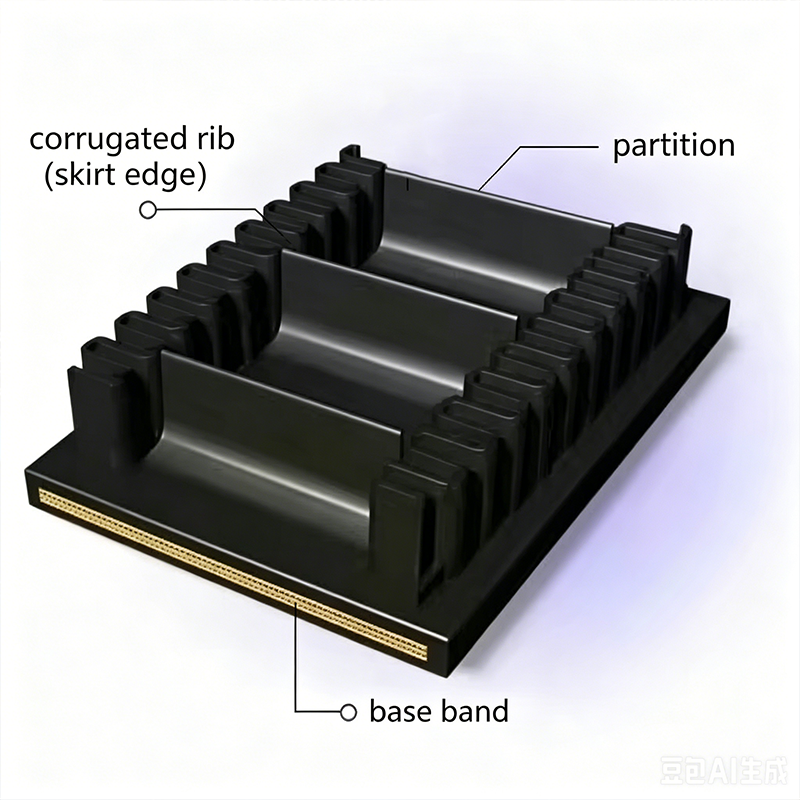
What Is a Conveyor Belt and Why Is It Important?
A conveyor belt is a moving system that carries materials, products, or goods from one place to another. It is widely used in industries such as mining, logistics, food processing, packaging, agriculture, and manufacturing.
Today, conveyor belt systems help companies improve production speed, reduce labor costs, and increase workplace safety. Because of this, choosing the right industrial conveyor belt is very important for long-term performance.
However, not all conveyor belts are the same. Different industries need different materials, structures, and belt designs. Therefore, understanding the basics before buying can save both time and money.
Types of Conveyor Belts for Different Industries
Before buying a conveyor belt, you should first understand the common types available on the market.
Rubber Conveyor Belt
Rubber conveyor belts are the most common type. They are strong, flexible, and suitable for heavy-duty applications.
They are often used in:
- Mining
- Construction
- Cement plants
- Bulk material handling
In addition, rubber belts provide excellent wear resistance and long service life.
PVC Conveyor Belt
PVC conveyor belts are lighter and cleaner. They are widely used in food processing, packaging, and logistics industries.
Their main advantages include:
- Easy cleaning
- Oil resistance
- Low maintenance
- Smooth operation
Because of these benefits, many factories prefer PVC conveyor belts for indoor production lines.
PU Conveyor Belt
PU conveyor belts are commonly used in food-grade applications. They meet hygiene standards and are resistant to oil and chemicals.
These belts are ideal for:
- Bakery production
- Meat processing
- Pharmaceutical factories
Moreover, PU belts usually have better flexibility than standard PVC belts.
Steel Cord Conveyor Belt
Steel cord conveyor belts are designed for long-distance and heavy-load transportation.
They offer:
- High tensile strength
- Low elongation
- Excellent durability
As a result, they are often used in ports, mines, and large industrial plants.
How to Choose the Right Conveyor Belt
Choosing the best conveyor belt depends on several important factors. Therefore, you should carefully evaluate your working conditions before making a decision.
Consider the Material Being Transported
First, think about the type of material your conveyor system will carry.
For example:
- Sharp materials need cut-resistant belts
- Hot materials need heat-resistant belts
- Wet products need water-resistant belts
- Food products need food-grade belts
The wrong belt material can quickly lead to damage and production downtime.
Check Load Capacity
Next, determine the weight of the products being transported.
Heavy loads require stronger conveyor belts with higher tensile strength. Otherwise, the belt may stretch, crack, or fail during operation.
Therefore, always match the belt strength with the production requirement.
Evaluate the Working Environment
The workplace environment also affects conveyor belt performance.
For example:
- High temperatures require heat-resistant belts
- Chemical exposure needs chemical-resistant belts
- Outdoor systems need UV-resistant belts
In addition, dusty or humid environments may require special belt coatings.
Understand Belt Speed and Width
Conveyor speed and belt width are also critical.
A belt that is too narrow may reduce efficiency. On the other hand, a belt moving too fast can damage products.
Because of this, proper system design is essential for stable operation.
Key Features to Look for in a Conveyor Belt
When comparing conveyor belt suppliers, pay attention to the following features.
Durability
A high-quality conveyor belt should resist wear, tearing, and impact. Durable belts reduce maintenance costs and improve productivity.
Flexibility
Flexible conveyor belts can move smoothly around rollers and pulleys. This helps improve system efficiency.
Heat Resistance
Heat-resistant conveyor belts are important for industries like steel, cement, and foundries.
These belts can handle high temperatures without cracking or losing strength.
Oil and Chemical Resistance
Industries handling oils or chemicals should choose resistant conveyor belts to prevent belt damage and contamination.
Low Maintenance
Modern conveyor belts are designed for easy cleaning and reduced maintenance. This helps companies save labor and operating costs.
Common Conveyor Belt Problems and Solutions
Even high-quality conveyor belts can experience problems over time. However, proper maintenance can reduce downtime.
Belt Misalignment
Misalignment happens when the belt moves away from the center.
Common causes include:
- Uneven loading
- Incorrect pulley alignment
- Worn rollers
Regular inspections can help solve this issue early.
Belt Slippage
Slippage usually occurs when there is not enough tension or friction.
To fix this problem:
- Increase belt tension
- Clean the pulleys
- Replace worn components
Excessive Wear
Overloading or poor maintenance can cause premature belt wear.
Therefore, companies should follow regular maintenance schedules and avoid exceeding load limits.
Conveyor Belt Maintenance Tips for Longer Service Life
Good maintenance can greatly extend conveyor belt lifespan.
Perform Regular Inspections
Check for:
- Cracks
- Fraying
- Belt tracking issues
- Surface wear
Early detection helps prevent expensive repairs.
Keep the Belt Clean
Dust, debris, and oil can damage conveyor belts over time. Therefore, regular cleaning is very important.
Maintain Proper Tension
Too much tension can damage the belt. Too little tension can cause slipping.
Because of this, proper adjustment is necessary for smooth operation.
Replace Damaged Parts Quickly
Worn rollers or damaged pulleys can affect the entire conveyor system. Replacing faulty parts early helps avoid bigger problems.
How to Choose a Reliable Conveyor Belt Supplier
Finding a trusted conveyor belt manufacturer is just as important as choosing the right product.
Here are some things to consider:
- Industry experience
- Product certifications
- Custom conveyor belt options
- Technical support
- Delivery capability
- Customer reviews
In addition, experienced suppliers can help recommend the best conveyor belt for your application.
Why Custom Conveyor Belts Are Becoming More Popular
Many companies now prefer custom conveyor belts because standard models may not fit every production line.
Custom conveyor belts can offer:
- Better efficiency
- Improved product handling
- Lower maintenance costs
- Higher production speed
As industries continue to automate, customized conveyor solutions are becoming more important than ever.
Final Thoughts on Buying the Best Conveyor Belt
Buying the right conveyor belt is a long-term investment. Therefore, understanding belt types, materials, and performance features is essential before making a purchase.
In addition, choosing a reliable conveyor belt supplier can help improve efficiency, reduce downtime, and lower maintenance costs.
Whether you need a heavy-duty rubber conveyor belt, a food-grade PVC conveyor belt, or a custom industrial conveyor system, selecting the right solution will help your business operate more smoothly and efficiently.


Copyright © 2026 上海伊胶特贸易有限公司 Ltd. All Rights Reserved. POWERED BY WEIMOBTRADE
