
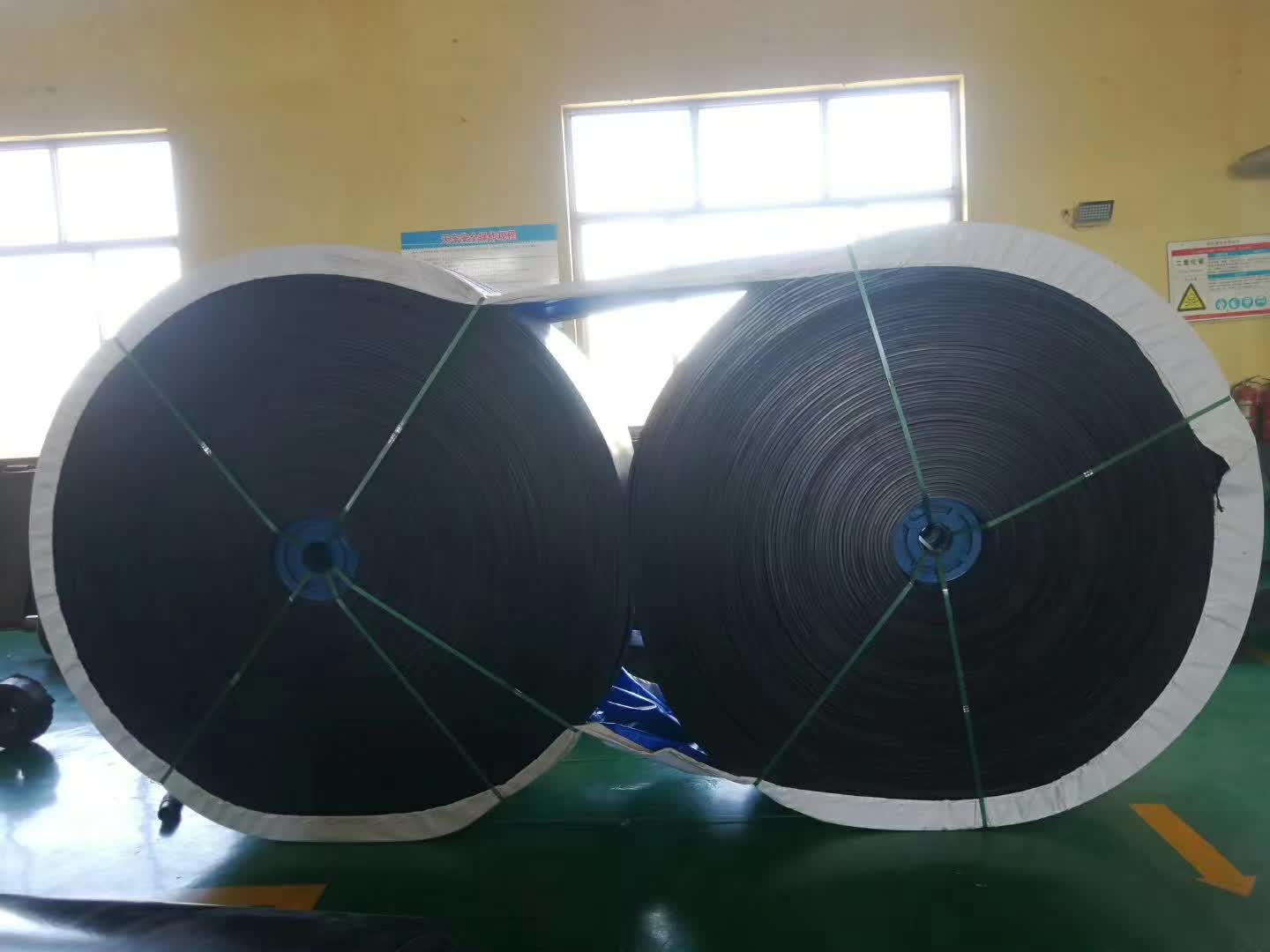
Choosing the right conveyor belt is very important for factory efficiency, product safety, and long-term costs. However, many buyers focus only on price and ignore other important details. As a result, they may face belt damage, downtime, or high maintenance costs later.
So, how do you choose the best conveyor belt for your business? In this conveyor belt buying guide, you will learn the key factors you should consider before making a purchase.
Why Choosing the Right Conveyor Belt Matters
A conveyor belt is one of the most important parts of a material handling system. It helps move products quickly and safely in industries such as mining, food processing, logistics, agriculture, packaging, and manufacturing.
When you choose the right conveyor belt, you can:
- Improve production efficiency
- Reduce machine downtime
- Lower maintenance costs
- Increase workplace safety
- Extend equipment life
On the other hand, the wrong belt can cause frequent breakdowns and production delays. Therefore, careful selection is necessary.
Conveyor Belt Material: Choose the Right Type
The first thing to consider is the conveyor belt material. Different materials work better in different environments.
Rubber Conveyor Belt
Rubber conveyor belts are strong and durable. They are widely used in mining, construction, and heavy industries because they can handle heavy loads and rough materials.
Benefits include:
- High wear resistance
- Good impact resistance
- Long service life
PVC Conveyor Belt
PVC conveyor belts are lighter and cleaner. They are commonly used in food processing, logistics, and packaging industries.
Main advantages:
- Smooth surface
- Easy cleaning
- Good oil resistance
PU Conveyor Belt
PU conveyor belts are popular in food and pharmaceutical industries. They meet high hygiene standards and offer excellent flexibility.
Key benefits:
- Food-grade safety
- Good chemical resistance
- Better flexibility
Therefore, before buying, always match the belt material with your industry needs.
Load Capacity and Conveyor Belt Strength
Another important factor is load capacity. Every conveyor belt has a maximum load it can carry.
If the belt is too weak, it may stretch, crack, or break. Therefore, you should carefully check:
- Product weight
- Material size
- Conveyor speed
- Daily working hours
For heavy-duty industries, stronger belts with reinforced fabric or steel cords are usually better.
In contrast, light-duty operations may only need standard belts.
Conveyor Belt Width and Length
The correct conveyor belt size is also very important.
A belt that is too narrow may cause products to fall. Meanwhile, a belt that is too wide may waste energy and space.
When selecting the belt size, consider:
- Product dimensions
- Conveyor frame size
- Material flow rate
- Factory layout
In addition, always measure the conveyor system carefully before ordering.
Operating Environment and Temperature Resistance
The working environment can greatly affect conveyor belt performance.
For example, some factories operate in:
- High temperatures
- Cold storage areas
- Wet conditions
- Dusty environments
- Chemical processing plants
Because of this, you should choose a conveyor belt with suitable resistance features.
Heat Resistant Conveyor Belt
Heat resistant belts work well in cement plants, steel factories, and foundries.
Cold Resistant Conveyor Belt
Cold resistant belts are ideal for frozen food and outdoor winter operations.
Oil and Chemical Resistant Conveyor Belt
These belts are designed for industries that handle oils, chemicals, or corrosive materials.
As a result, the right resistance type can greatly increase belt lifespan.
Conveyor Belt Surface Design
The belt surface pattern also matters.
Different surface designs help improve product movement and prevent slipping.
Smooth Conveyor Belt
Smooth belts are best for flat and stable products.
Rough Top Conveyor Belt
Rough top belts provide better grip and reduce product movement.
Cleated Conveyor Belt
Cleated belts help transport materials on inclined conveyors.
Therefore, you should select a surface type based on product shape and conveyor angle.
Maintenance and Durability
A high-quality conveyor belt should be easy to maintain and long-lasting.
Before buying, ask suppliers about:
- Expected service life
- Maintenance requirements
- Spare part availability
- Repair support
In many cases, cheaper belts may wear out faster. Although the initial price is lower, long-term costs may become higher.
So, investing in durable conveyor belts can save money over time.
Energy Efficiency and Noise Reduction
Modern conveyor systems also focus on energy saving and low noise.
Energy-efficient conveyor belts can help factories reduce electricity costs. At the same time, quieter systems improve the working environment.
Therefore, many companies now prefer advanced conveyor belts with:
- Low rolling resistance
- Reduced vibration
- Improved flexibility
These features support both productivity and sustainability.
Conveyor Belt Safety Standards
Safety should never be ignored.
Reliable conveyor belts should meet industry safety standards and certifications.
For example, some belts may include:
- Fire resistance
- Anti-static properties
- Food-grade certification
- Chemical safety approval
Especially in food, mining, and chemical industries, certified conveyor belts are extremely important.
Choosing a Reliable Conveyor Belt Supplier
Even the best conveyor belt may fail if the supplier lacks experience.
A professional conveyor belt supplier can help you choose the right model based on your application.
When selecting a supplier, check:
- Industry experience
- Product quality
- Technical support
- Delivery time
- Customer reviews
In addition, experienced suppliers often provide customized conveyor belt solutions for special projects.
Common Mistakes to Avoid When Buying Conveyor Belts
Many buyers make avoidable mistakes during the purchasing process.
Here are some common problems:
- Choosing based only on price
- Ignoring working conditions
- Using the wrong belt material
- Ordering incorrect sizes
- Overlooking maintenance needs
Therefore, it is always better to compare products carefully and discuss your needs with professional suppliers.
Final Thoughts on Choosing the Best Conveyor Belt
Buying the right conveyor belt is not only about cost. More importantly, it is about performance, durability, safety, and efficiency.
By considering factors such as material, load capacity, environment, surface type, and supplier reliability, you can choose a conveyor belt that supports long-term business success.
In the end, a well-chosen conveyor belt can improve productivity, reduce downtime, and help your factory run more smoothly.


Copyright © 2026 上海伊胶特贸易有限公司 Ltd. All Rights Reserved. POWERED BY WEIMOBTRADE
